


The real fear isn’t buying abroad. It’s making the wrong purchase.
When someone considers buying a home in Costa Rica, the first question is almost always about money: How much does it cost? What budget do I need? What are home prices like near the beach? But look a little deeper, and the real question is something else: Can I trust the people I’m dealing with? That’s where many people hesitate. Not because they don’t like Costa Rica, but because buying property abroad takes more care than buying close to home. The laws and documents are different, local operators need to be vetted, neighborhoods need to be understood, permits need to be checked, and future property management needs to be planned. The good news is that Costa Rica is now a much more established destination than many people realize. It’s a stable, international country with a mature real estate market and growing demand from tourists, retirees, families, and investors. The downside, if you can call it that, is that there’s no room for guesswork anymore. Anyone looking to buy a home in Costa Rica needs to do it the right way.
A stable country with clear rules for investors
Costa Rica attracts international investors because it offers a more stable and organized environment than many other tropical destinations. The Costa Rican Constitution recognizes the same individual and social rights and responsibilities for foreigners as for Costa Rican citizens, subject to exceptions provided by law. Article 45 also establishes that property is inviolable and that no one may be deprived of it except for a legally established public interest and with compensation as provided by law. This doesn’t mean you can buy any property without professional assistance. It does mean there’s a legal framework to follow, and that foreigners can consider buying property with greater peace of mind—as long as they follow the proper procedures. So the point isn’t to buy quickly. It’s to buy wisely.
The numbers show a country becoming increasingly international
Before choosing a home, it’s important to look at the country’s broader picture, too. In 2025, Costa Rica recorded 2,943,991 international tourist arrivals, according to data from the Costa Rican Tourism Institute. Of those, 91.3% arrived by air, confirming how important international accessibility has become for the country. That same year, arrivals from Italy totaled 22,710. Guanacaste is also showing promising signs. Daniel Oduber Quirós International Airport, now known as Guanacaste Airport, ended 2025 with 1,973,831 passengers, 26 nonstop international routes, and 12 airlines. The airport connects Guanacaste with cities including New York, Miami, Los Angeles, Houston, Chicago, Toronto, Montréal, Vancouver, and Zurich. These figures matter to anyone considering property on the Pacific coast. A beautiful home in a well-served, well-connected area is easier to enjoy, visit, and manage—and, if you choose, to offer to international guests.

The importance of due diligence
When you’re looking at a property in Costa Rica, it takes more than falling in love with the view, the pool, or the distance to the beach. You need to verify ownership, registry and cadastral records, any liens or restrictions, access, available services, residence rules, permits, water management, rental options, and tax obligations. These are technical details, but they can make the difference between a smooth purchase and a problem down the road. This step is essential for anyone buying from abroad. Don’t rely solely on the seller’s word or online photos. You need documents, due diligence, qualified professionals, and a local partner who truly knows the area.
Vacation rentals: more opportunity, but more rules, too
Many Italians looking for homes for sale in Costa Rica have a mixed plan: use the home for a few months each year and rent it out when they’re away. It’s an understandable approach, especially in a destination that continues to attract international visitors. But here, too, it’s important to be clear about the rules. Costa Rica has introduced specific regulations for what’s known as hospedaje no tradicional, or nontraditional lodging, which is also marketed through digital platforms. The Costa Rican Tourism Institute maintains dedicated registries for providers and intermediaries offering this type of service, with registration through an online form and a validation process. This shouldn’t be a cause for concern. On the contrary, it’s a positive sign. A more regulated market is less suited to people who aren’t prepared, but more attractive to those who want to operate responsibly, protect their property, and provide a quality experience.
Why your local partner matters
In a more mature market, it’s not just the home that makes the difference. It’s the people guiding you. When considering a real estate purchase abroad, it’s important to understand how long the project has been operating, which properties have already been built, what services are offered, whether there’s a real community, who provides on-site support, and what happens after the purchase.
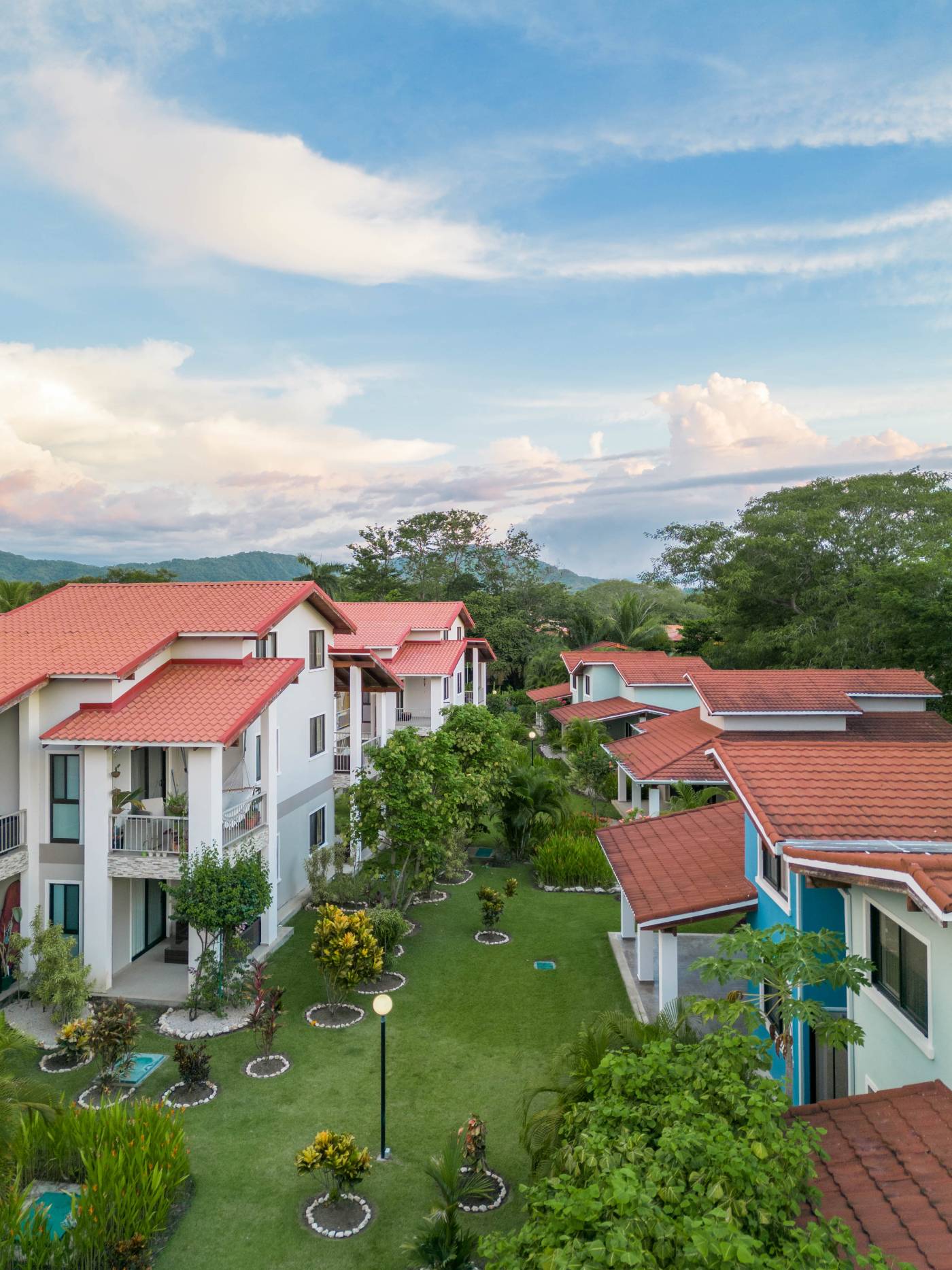
Flor de Pacifico is an Italian company that has been in Costa Rica since 1993. Over more than 30 years, it has helped more than 1,500 families and satisfied clients choose their own tropical home, contributing to the development of residential communities in Guanacaste for people who want to live, invest, or spend part of the year in Costa Rica.
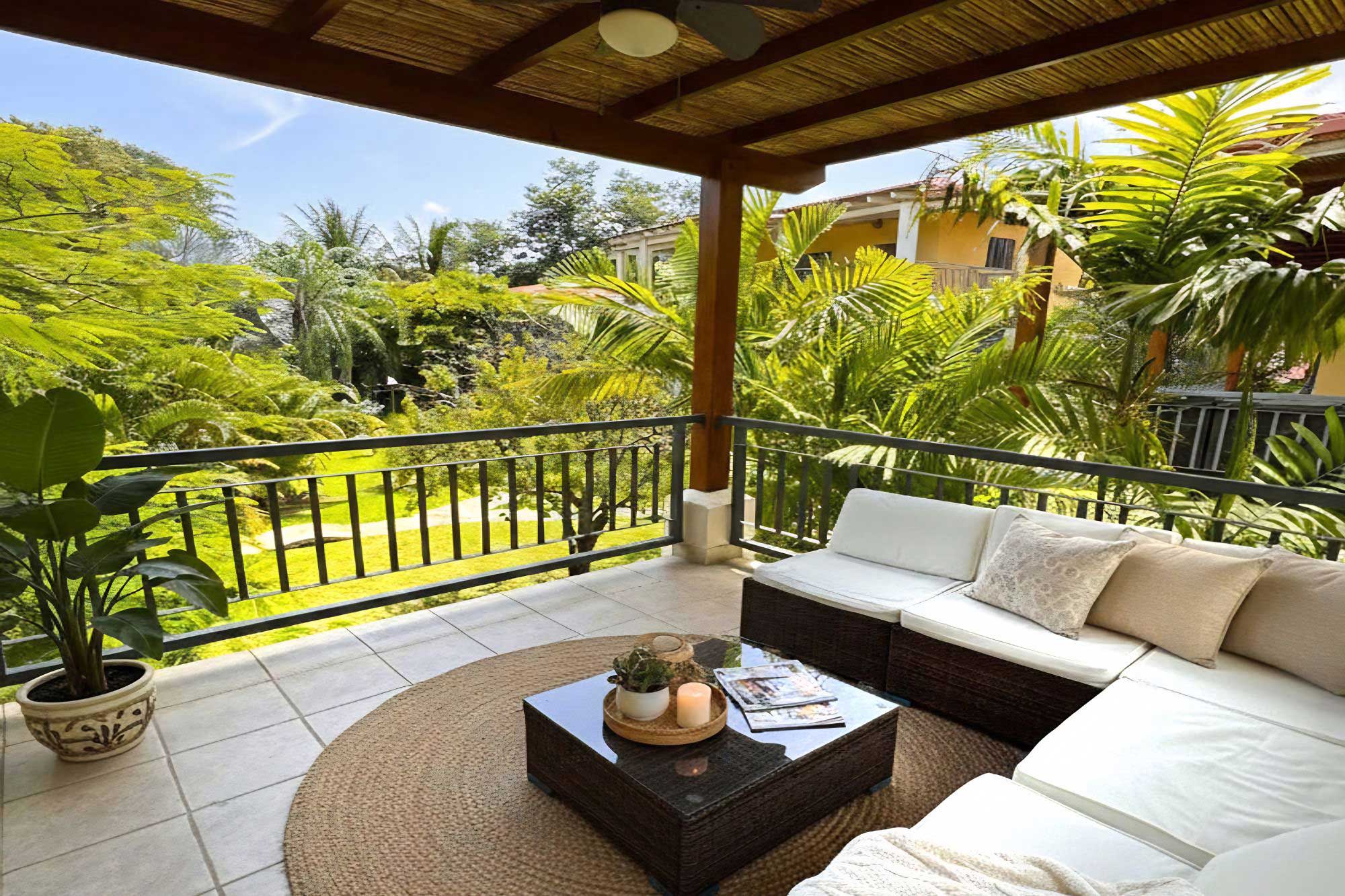
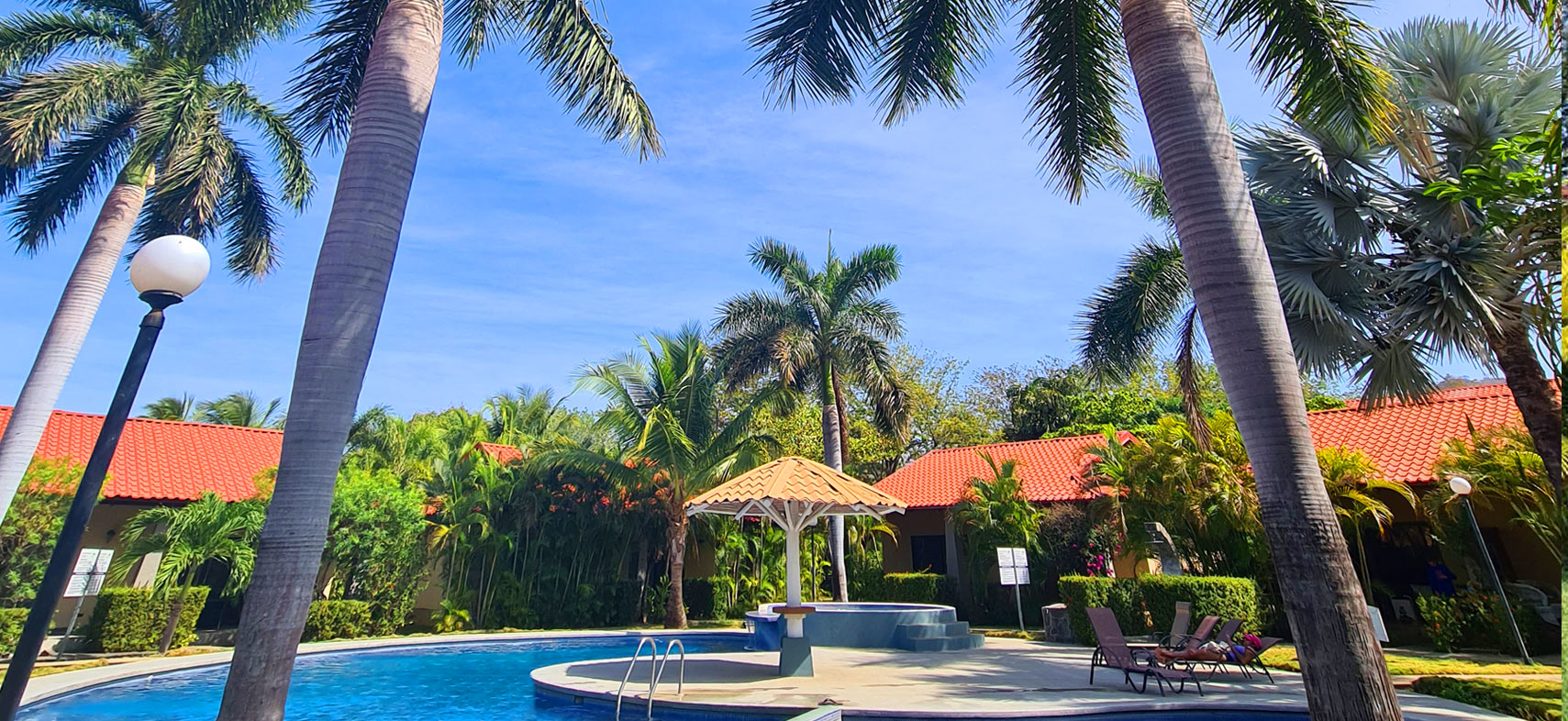
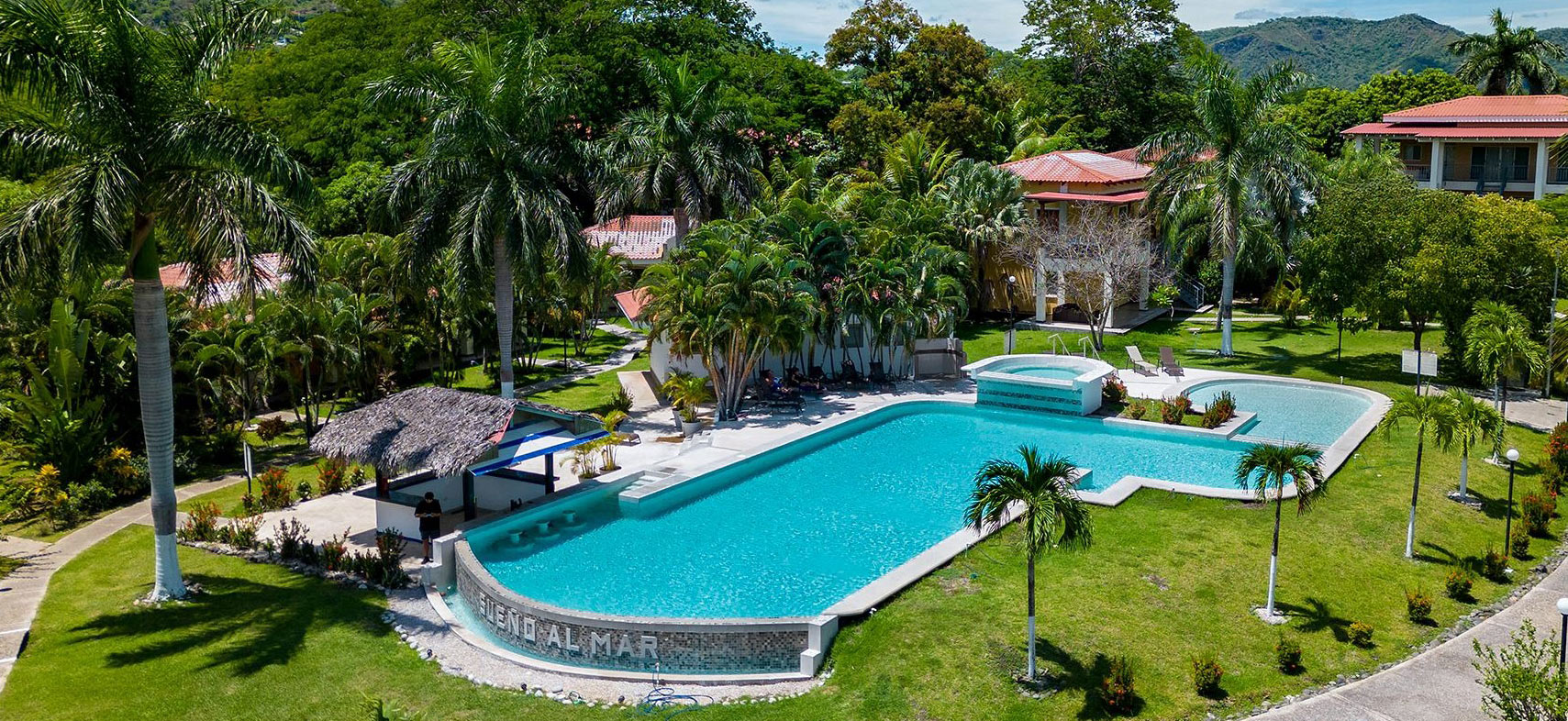
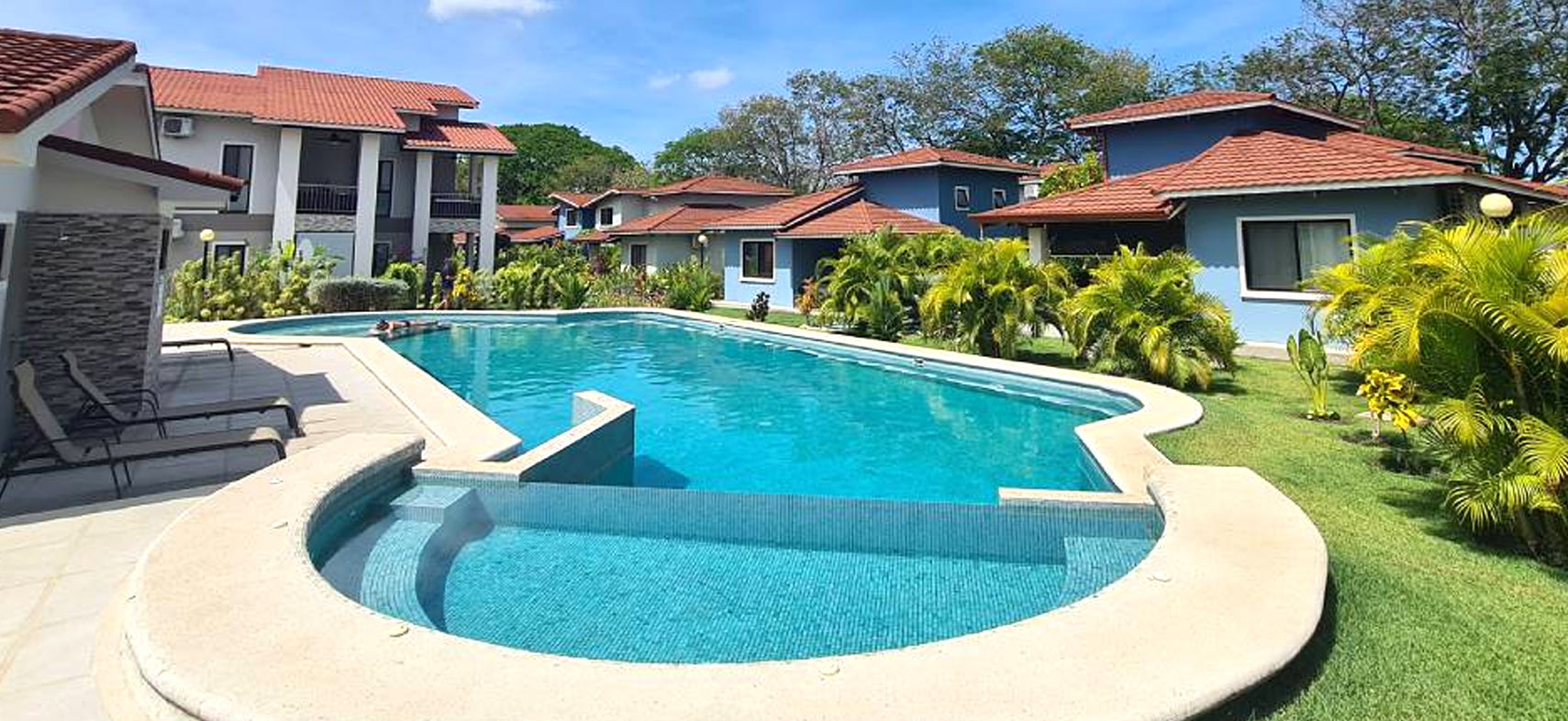
This matters because many buyers aren’t just looking for “a villa.” They’re looking for a complete support system: information, a local presence, assistance, management, a sense of community, services, and people they can turn to. To learn more about the process, visit the How It Works page or explore the Flor de Pacifico residences.
Price and value aren’t the same thing
One of the most common questions is about the cost of homes in Costa Rica. It’s natural to start with the price, but price alone doesn’t tell you much. Two properties can cost the same and have very different value. It depends on the area, access, services, construction quality, management, security, proximity to the beach, tourist demand, residence rules, and long-term maintenance options. Buying the home that seems less expensive at first may look like a good deal, but it can become complicated later. By contrast, a property in a more organized development can make things easier, especially if you live in Italy and can’t be there all the time. That’s why anyone looking to invest in Costa Rica should focus on overall value rather than price alone. Value isn’t just about square footage. It’s also about being able to get there easily, find support, access nearby services, enjoy a well-maintained setting, and know who to turn to before, during, and after the purchase.
Take your time, but follow a plan
Costa Rica continues to attract Italians, retirees, families, and investors because it combines nature, stability, climate, quality of life, and a real estate market that remains appealing compared with more saturated international destinations. But as interest grows, it’s important to make informed decisions. Before buying a home in Costa Rica, it helps to clarify a few things: Why do I want to buy? Will I use the property myself? Do I want to rent it out when I’m not using it? How much time will I spend in the country? Do I need services nearby? Would I prefer a standalone home or a residence? Do I want to manage everything myself or have support? These are simple questions, but they help prevent impulsive decisions. Buying a home abroad should never be based only on online photos. Pictures are useful, but they’re not enough. You need to understand the area, visit different locations, compare options, and evaluate the project as a whole.
Start by talking to someone who knows the area
Flor de Pacifico can help you take this first step: find out whether Costa Rica is truly the right fit for your goals, which residences may best suit your needs, and how to begin a thorough evaluation. If you’re looking for homes for sale in Costa Rica, want to learn more about prices, or are considering a real estate investment on the Pacific coast, now is the time to get informed.
Fill out the form on the Contact Flor de Pacifico page today. When you submit your information, you’ll be eligible to receive exclusive brochures about Flor de Pacifico’s projects and a free consultation with a member of our professional staff. The contact page lets you submit your first name, last name, email, phone number, and message. The site also notes that an exclusive brochure for the Luz del Mar residence will be sent. The first step isn’t to buy right away. It’s to get the right information from people who have lived and worked in Costa Rica since 1993.