


Rules for Moving to Costa Rica: Being Prepared Makes All the Difference
Many people dream of changing their lives. But few take the time to understand what it really takes to do it right. Moving to Costa Rica doesn’t simply mean buying a plane ticket and choosing a home near the beach. It means seriously considering documents, length of stay, residency, health care, housing, costs, services, and quality of life. Enthusiasm matters, but it needs to be matched with a solid plan. The most prudent approach is often gradual: first, take an exploratory trip, then stay for a longer period, and only afterward consider a property purchase or residency application. So the first step isn’t changing everything overnight. It’s gathering the right information and deciding whether Costa Rica truly lives up to your expectations.
First rule: Don’t confuse a vacation with a move
A vacation in Costa Rica can be wonderful. It only takes a few days to fall in love with the ocean, nature, climate, and more relaxed pace of everyday life. But living in the country full time is a different experience. To build a realistic plan, you need to consider some very practical matters:
- how long you want to stay;
- which documents you’ll need; how to arrange health care;
- which services are available in the area you choose;
- how to manage bank accounts, insurance, and transportation;
- how close you want to be to the airport;
- how to take care of your home when you’re spending time in Italy; how much being far from family and familiar routines will affect you.
A place that’s perfect for a weeklong vacation might feel too remote for year-round living. By contrast, an area with services, transportation links, health care facilities, and an established community can make a move much easier.
How long can you stay in Costa Rica?
Italian citizens are among those who can enter Costa Rica without applying for a tourist visa in advance. Immigration officials may authorize a stay of up to 180 calendar days, but the actual length of stay is determined by the immigration officer at the time of entry. Requirements may include a valid passport, a return or onward ticket, and proof of sufficient financial resources, which official regulations set at a minimum of $100 for every month or part of a month of stay. However, a tourist stay should not be confused with residency. Anyone who wants to settle in the country, work, spend extended periods there, or move there permanently should confirm which immigration category best fits their situation. Regulations can change, and every person’s circumstances are different. Before starting an application, it’s therefore a good idea to consult a qualified immigration and tax professional.
Residency and buying a home: Related, but separate, processes
Buying a home in Costa Rica does not automatically grant you residency. These are two separate processes. A property purchase involves choosing a home, completing legal and title checks, signing a contract, making payment, registering ownership, and managing the property over time. Residency, on the other hand, involves immigration requirements, personal documents, and the category under which you apply for the right to stay in the country for an extended period. Depending on your situation, the relevant requirements may relate to retirement income, ongoing income, investments, remote work, or other criteria set by law. That’s why it’s important not to start with the question, “How do I get residency?” Instead, think about the bigger picture: How much time do I want to spend in Costa Rica? Do I want to move there permanently or live there for only a few months each year? Do I want to buy right away or try living there first? Would I prefer a fully independent home or a well-managed residential community? Will I need help managing the property when I’m abroad? Answering these questions helps you make more informed choices about both your housing and administrative arrangements.
A small country with a wide range of lifestyles
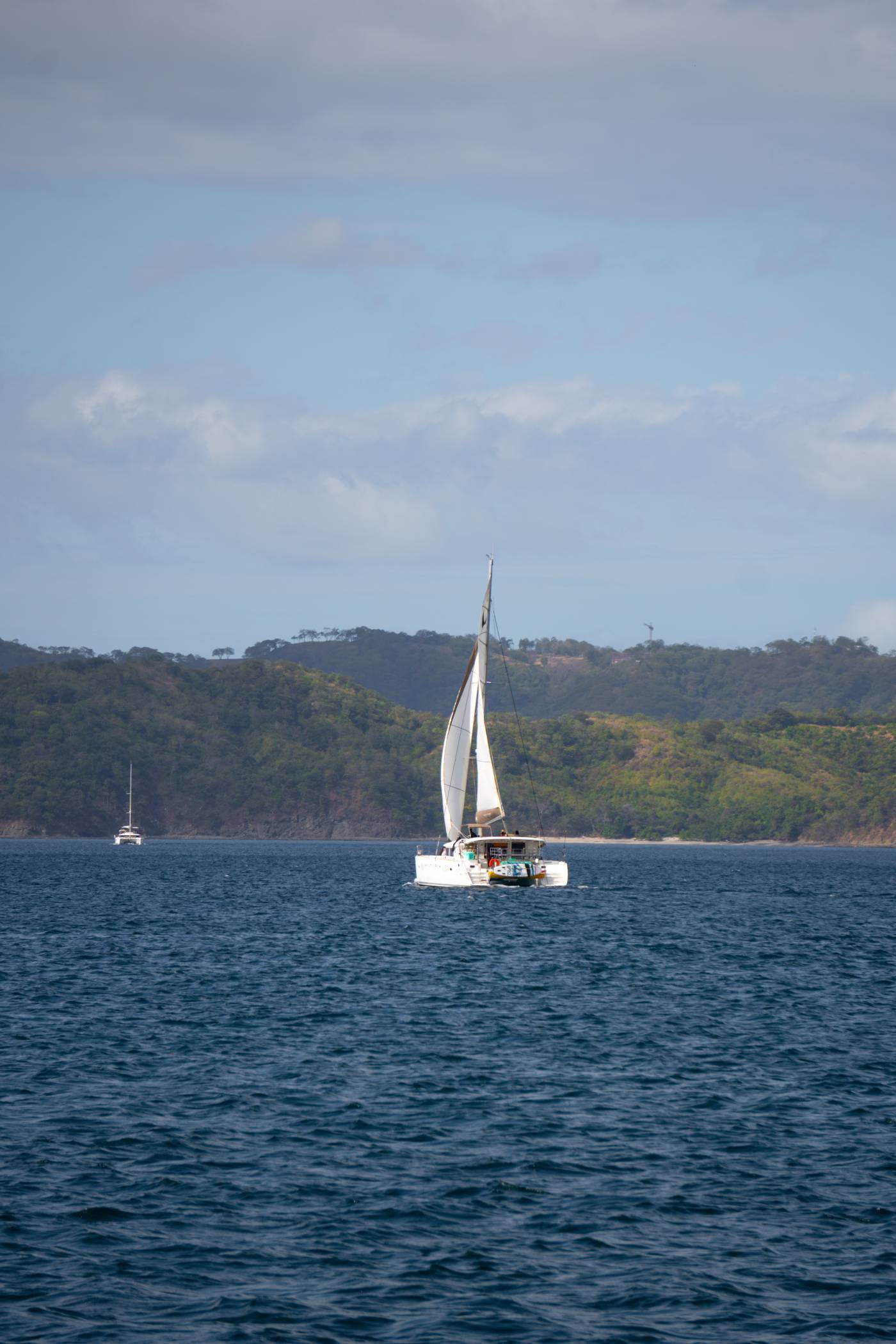
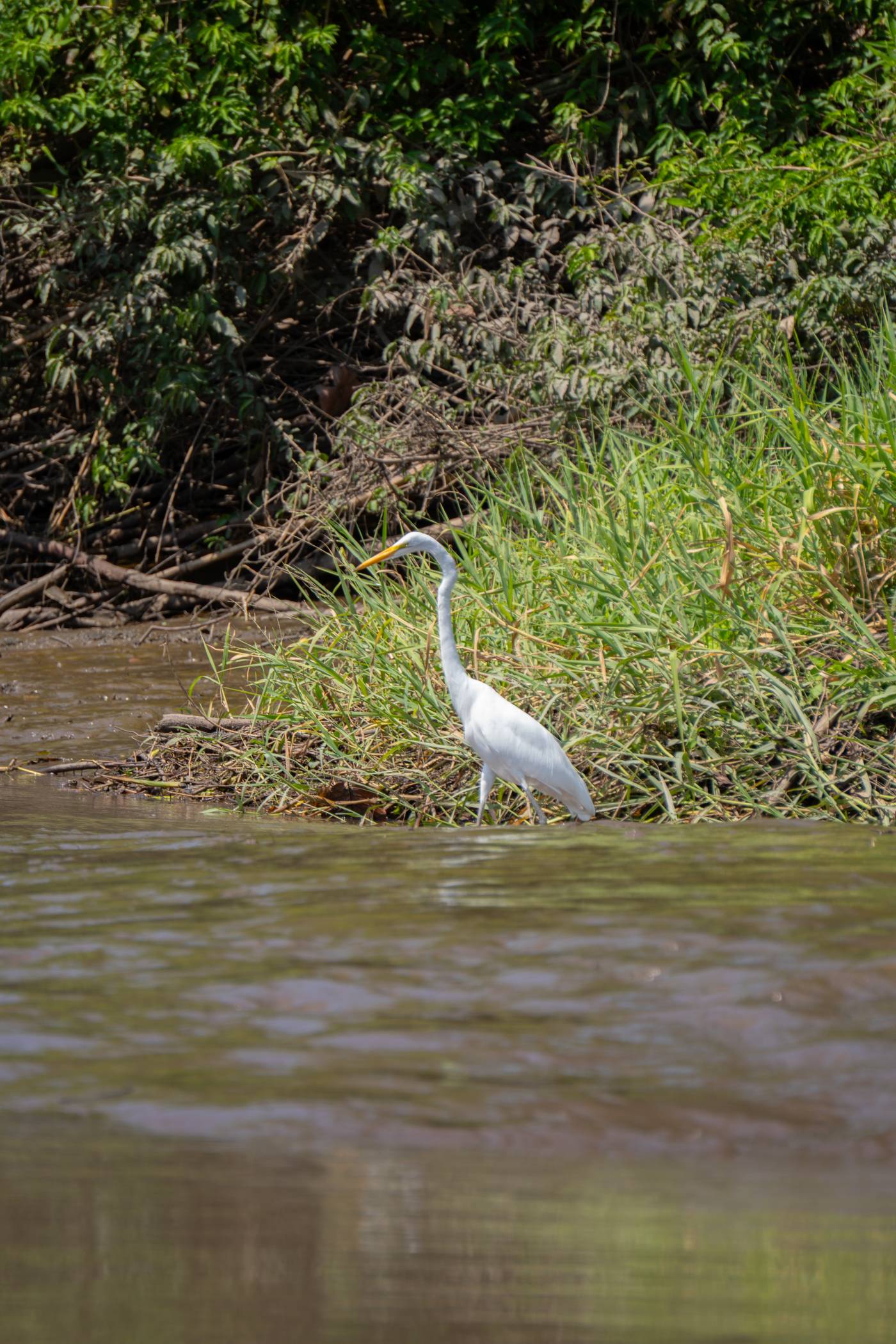
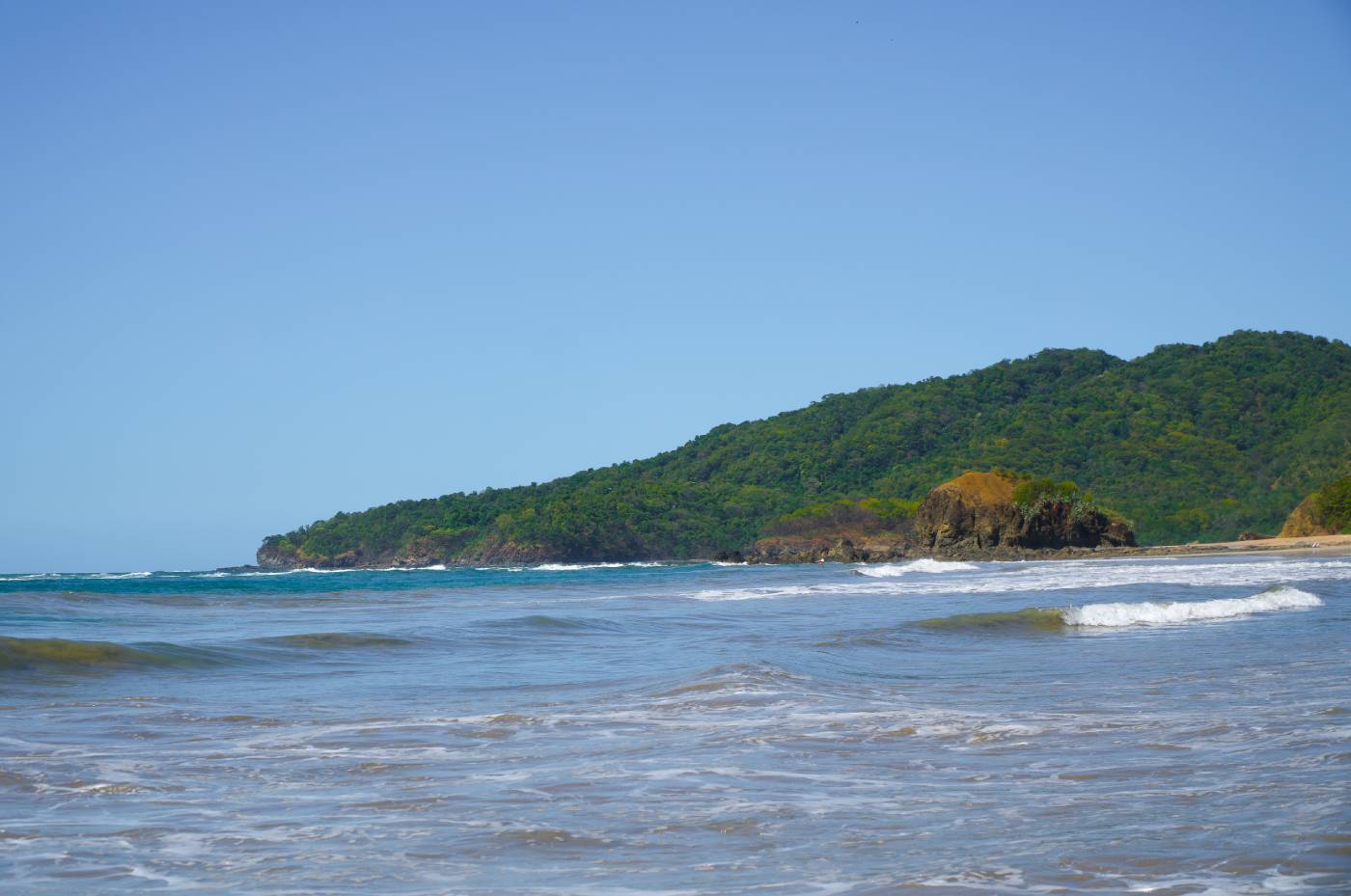
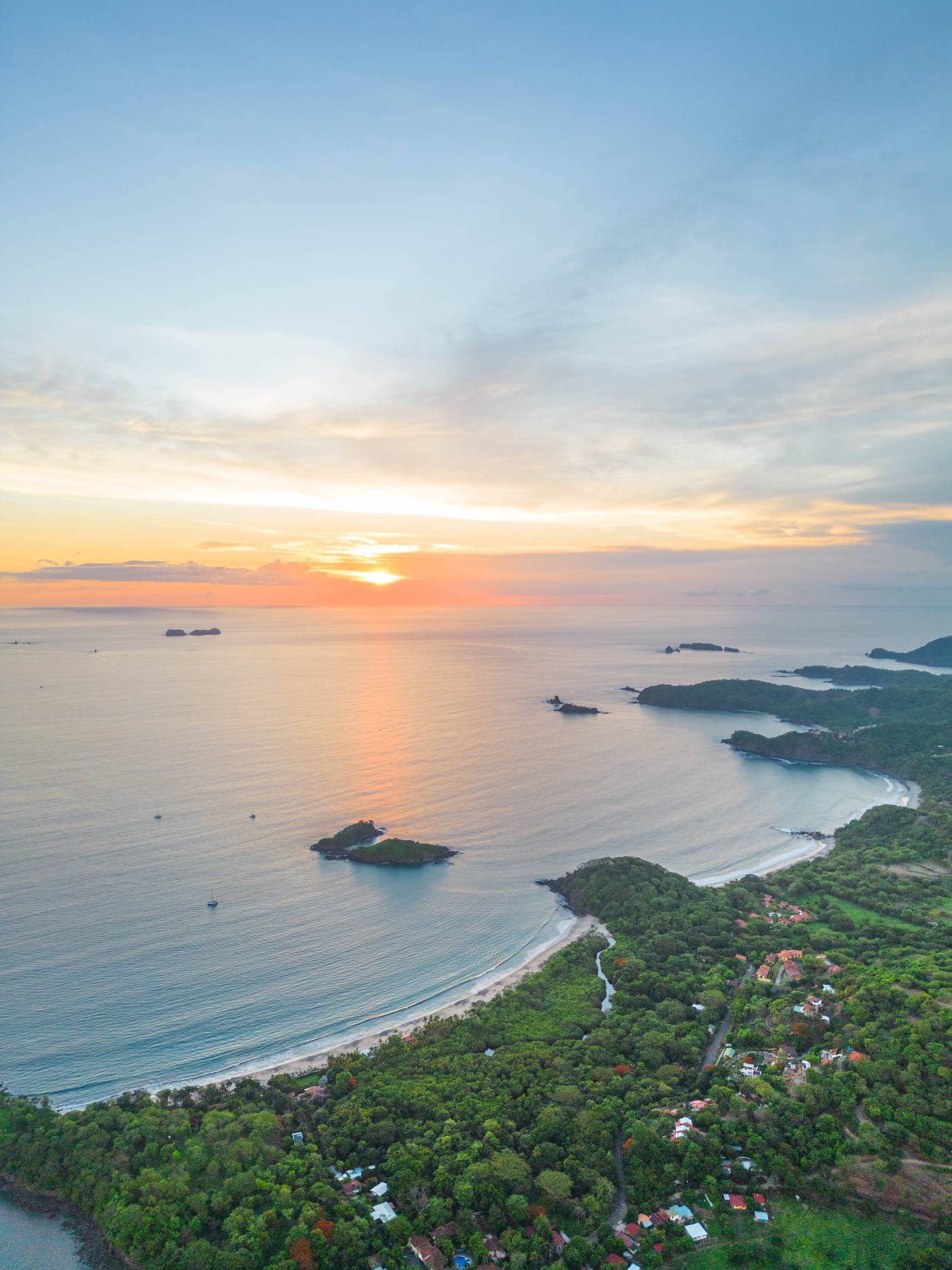
Costa Rica is a relatively small country, but its regions offer strikingly different settings. You can live near the capital, in a cool-climate mountain area, in a rural community, on the Caribbean coast, or near the Pacific beaches. Each area has its own climate, accessibility, services, international presence, and cost of living. That’s why there’s no single answer to the question, “What’s it like to live in Costa Rica?” Guanacaste, for example, is especially popular with people looking for the ocean, a drier climate, international communities, growing services, and convenient connections to the rest of the world. In 2025, Guanacaste Airport had a record year, serving 1,973,831 passengers, with 26 nonstop international routes and 12 airlines. Passenger traffic at the airport has tripled since it opened.
These numbers also matter to people considering a move. Living near an international airport makes it easier to return to your home country, welcome family and friends, and manage a life split between Costa Rica and Europe.
Retiring in Costa Rica
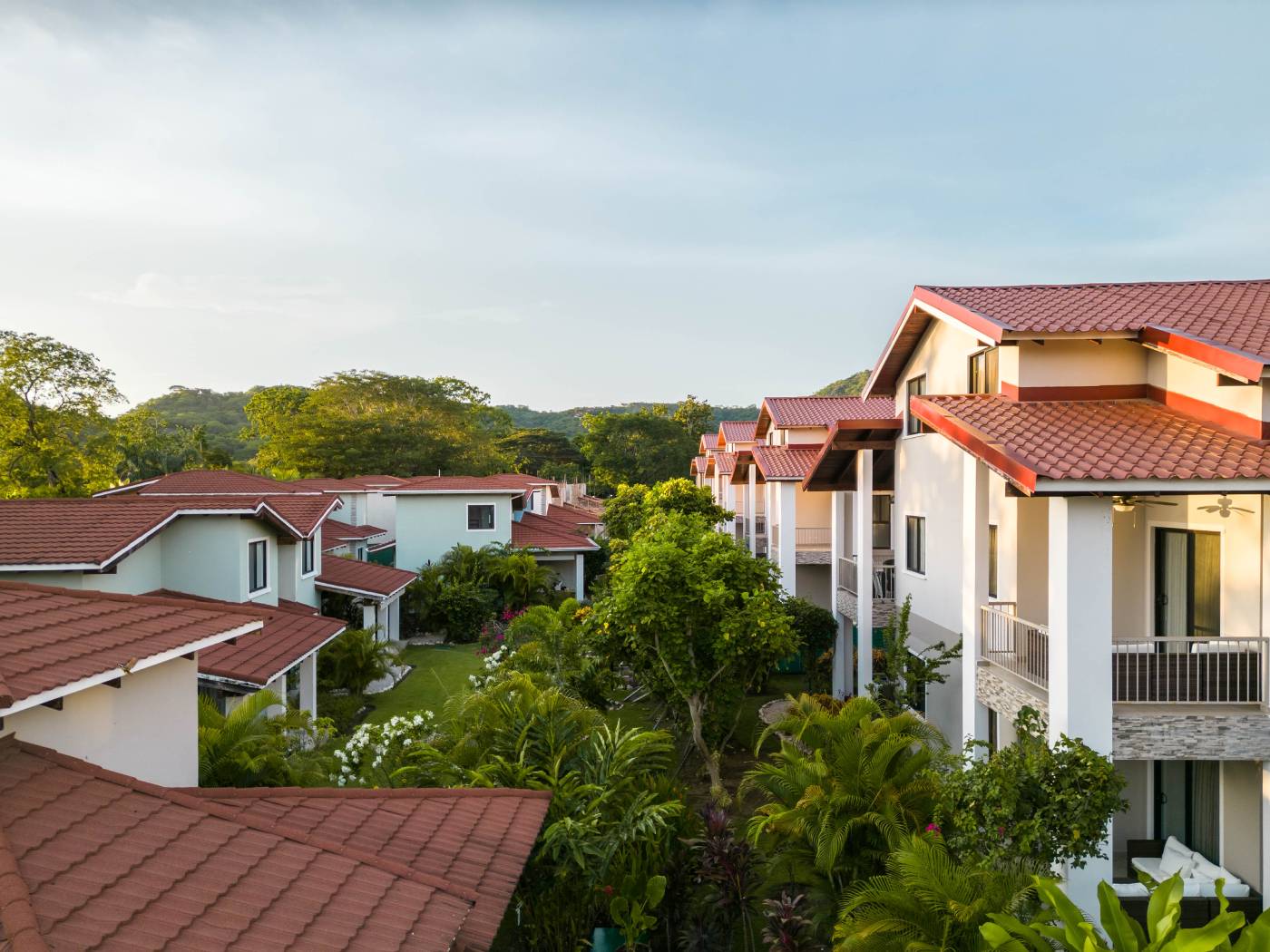
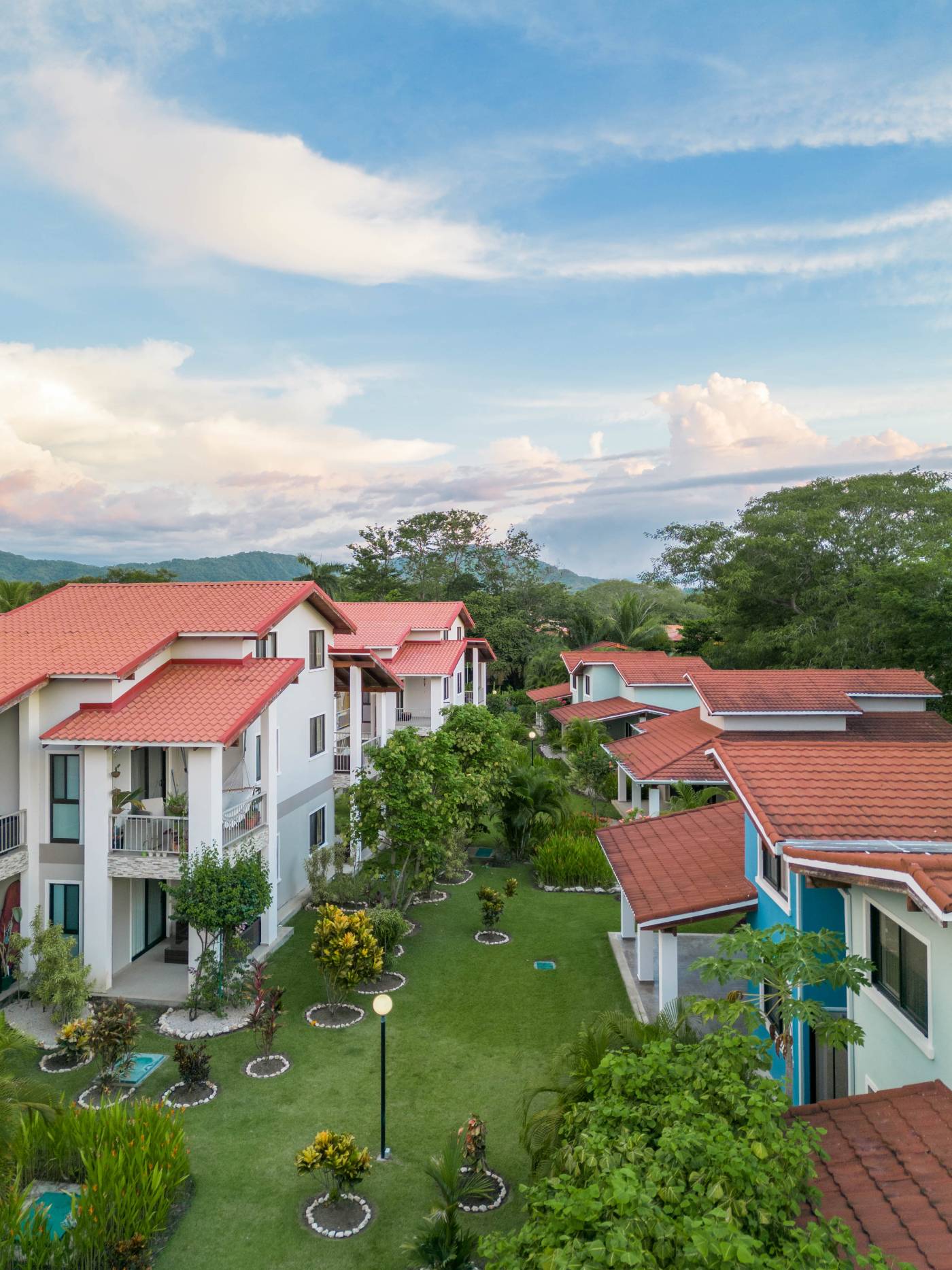
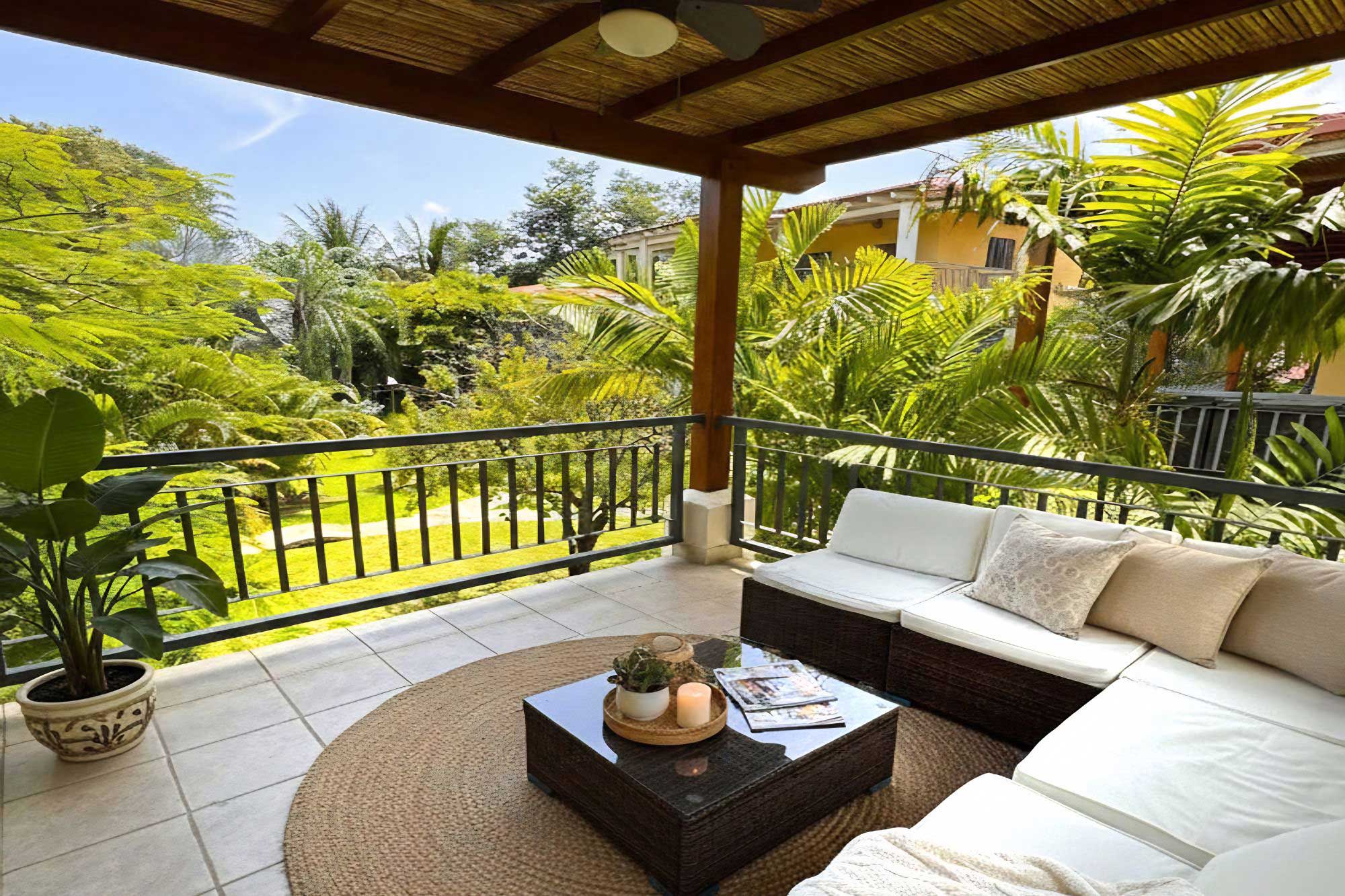
Many Italians consider Costa Rica as a place to enjoy retirement in a more peaceful, natural setting near the ocean. The country has a lot to offer: a tropical climate, nature, beaches, international communities, public and private health care, and a different pace of life from that of major European cities. But choosing the right area is essential. For retirees, the beauty of the beach isn’t the only consideration. You should also look at how close you’ll be to clinics and pharmacies, whether supermarkets are readily available, road conditions, ease of getting around, safety, the presence of other residents, and the support available locally. Your choice of home can also make a big difference. A secluded house can offer privacy, but it may require more independence when it comes to maintenance and day-to-day management. A well-managed residential community, on the other hand, may offer shared services, support, and a community to share everyday life with.
Flor de Pacifico: Costa Rica experience since 1993
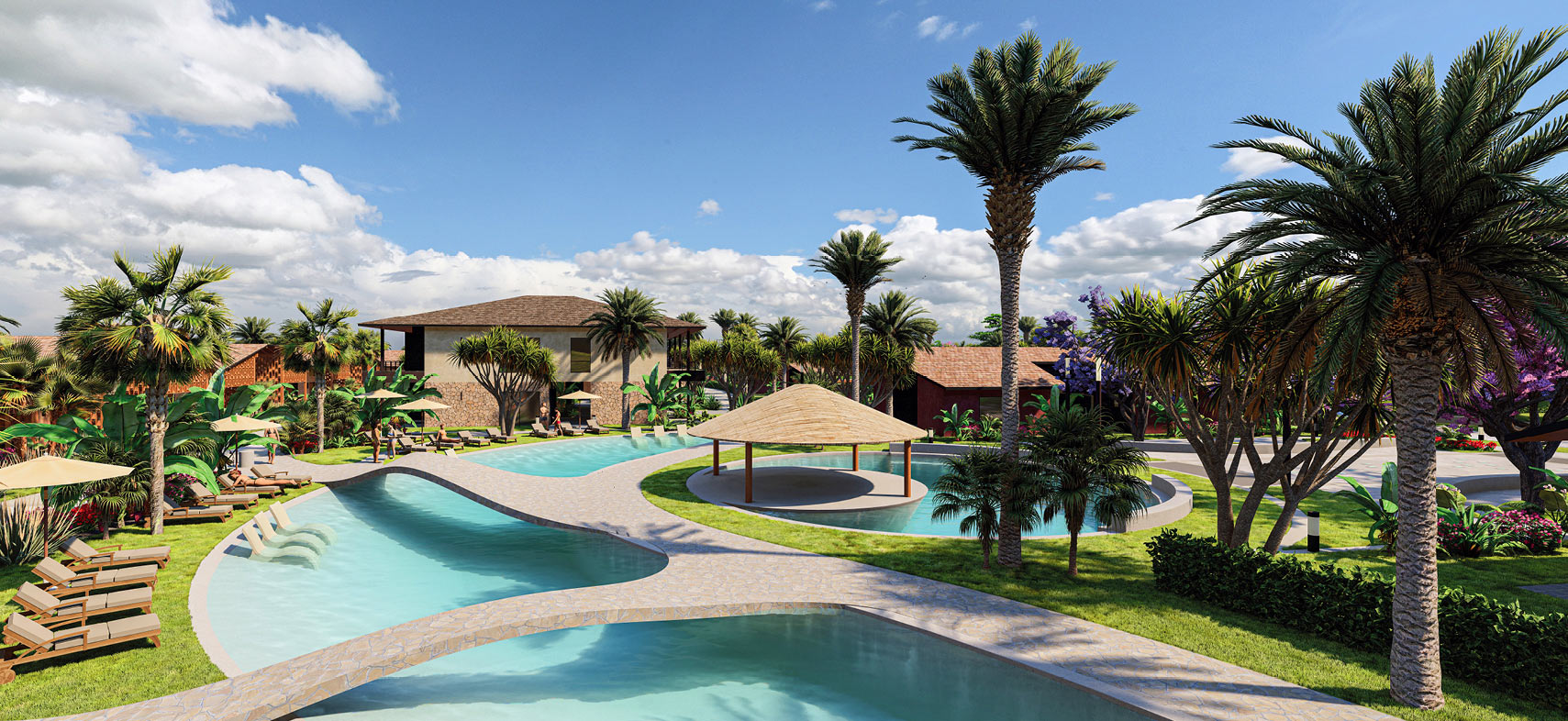
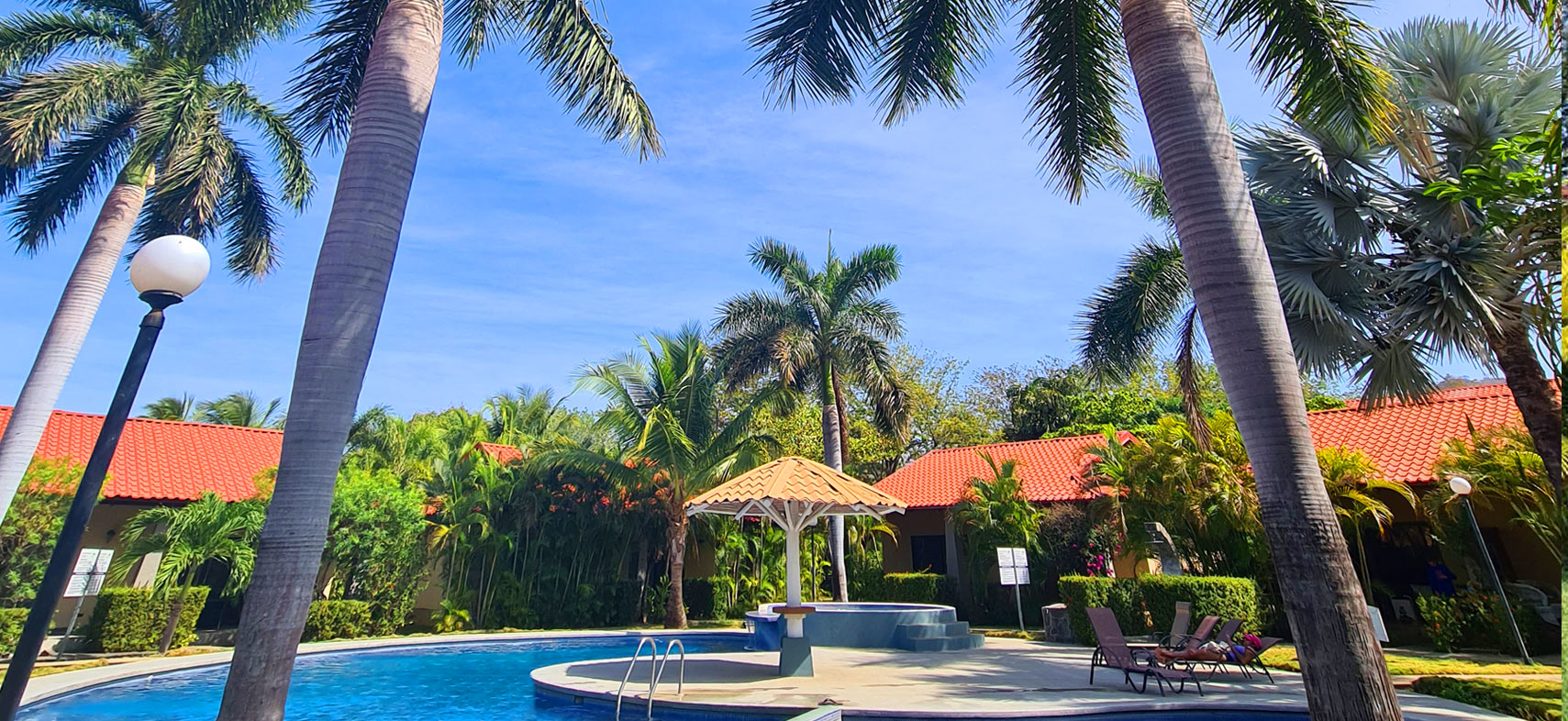
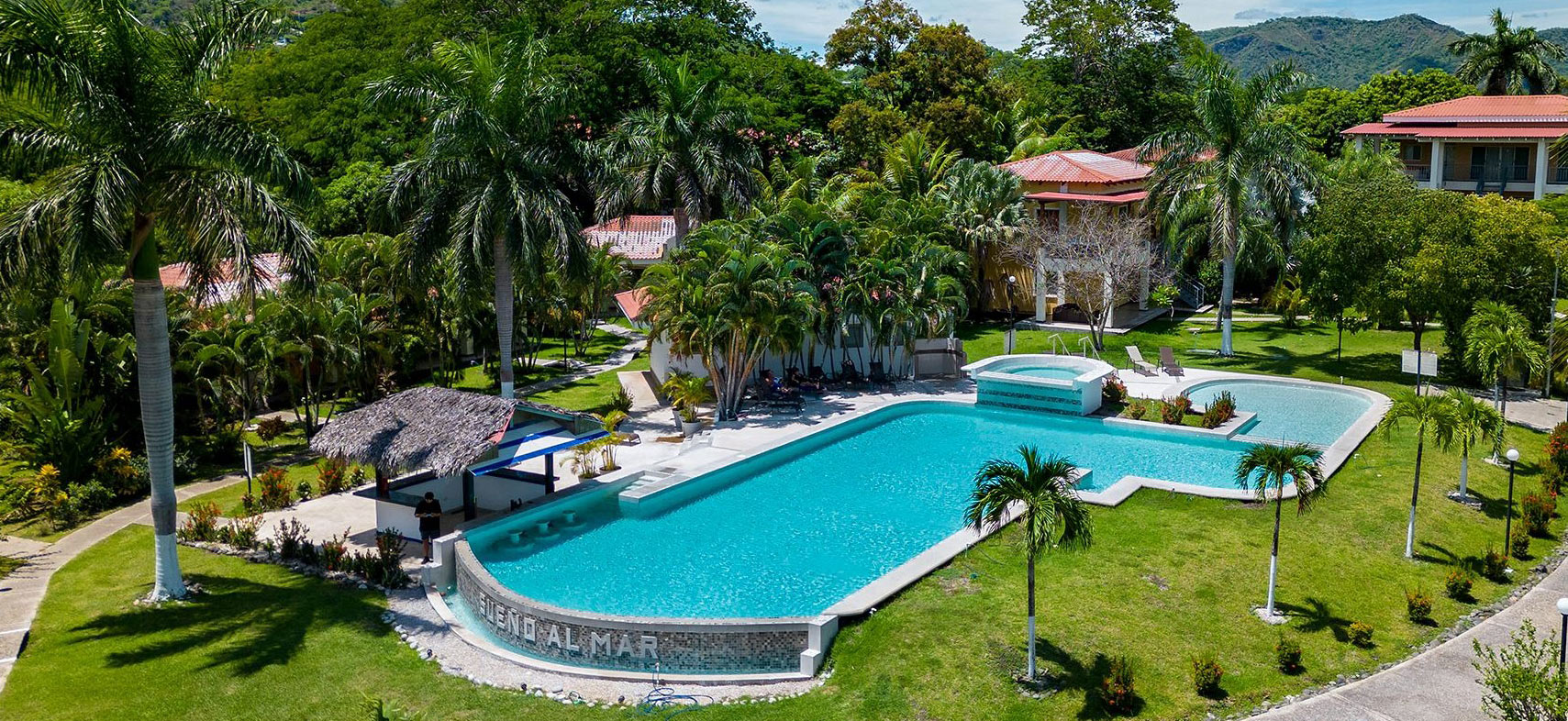
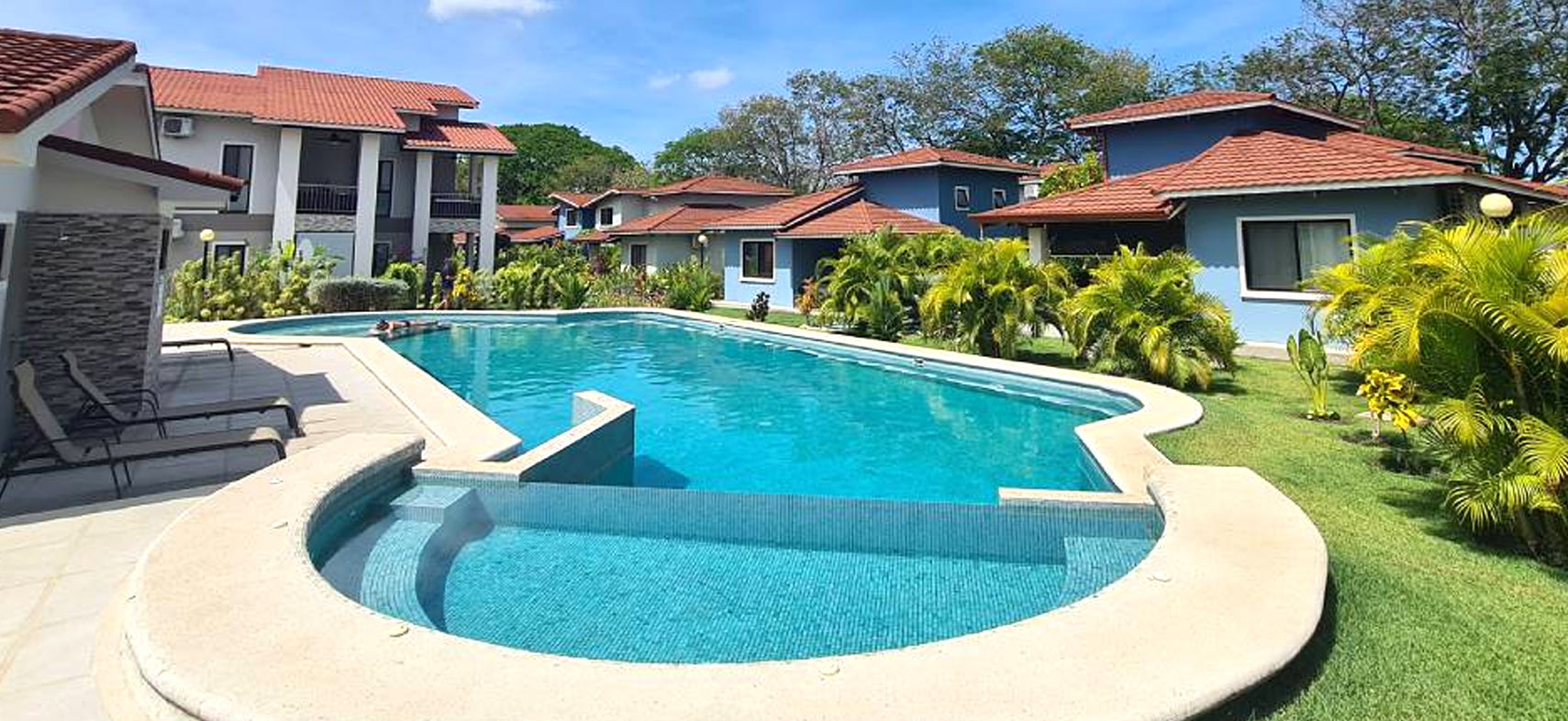
Flor de Pacifico is an Italian company that has been operating in Costa Rica since 1993. Over more than 30 years, it has helped more than 1,500 families and clients find their tropical home, creating six residential communities in Guanacaste. This experience enables Flor de Pacifico to help people considering a move turn a general idea into a more concrete plan. It’s about more than choosing a villa. You need to understand which area best fits your needs, what services are available, how to manage the property, and what kind of community can make it easier to settle in. Having an Italian point of contact with an established presence in the country can be especially helpful when you’re facing such a major change for the first time.
A firsthand account from someone who has already changed their life
Before considering a move, it can be helpful to hear from someone who has already been through the process. In the video, Marge, a Flor de Pacifico client, shares why she chose Costa Rica, shows her home, and offers advice to anyone thinking about changing their life. Her experience gives you a firsthand look at what it’s like to live in a residential community and what to consider before making a decision.
A client’s story can’t replace your own personal assessment, but it can help you understand what it means to move from wanting to relocate to the realities of everyday life: choosing a home, getting to know the area, building new routines, and finding a community you can turn to.
Why move to Costa Rica?
People move for many different reasons. Some are looking for a more pleasant climate, others want to live closer to nature, slow down, enjoy retirement, or diversify their assets by buying a home abroad. Others prefer to start by spending only a few months a year in Costa Rica while keeping part of their life in Italy. This gives them a chance to get to know the country before making a bigger commitment. So the question isn’t just, “Why move to Costa Rica?” A more useful question is, “How can I make this change without rushing into it?” Changing your life takes enthusiasm, but it also takes time, reliable information, and a realistic assessment of your needs.
The first step is to talk about your plans
If you’re considering a move to Costa Rica, don’t rely only on general information you find online. Your age, budget, length of stay, family situation, health care needs, plans for the home, and personal goals all affect which options are right for you. Flor de Pacifico can help you decide whether Guanacaste is a good fit for your plans, which residential communities may best meet your needs, and how to arrange an exploratory trip. Contact Flor de Pacifico today by filling out the form on the Contact page. When you share your information, you’ll be eligible to receive exclusive brochures about Flor de Pacifico projects and a free consultation with a member of our professional team. The first step isn’t moving right away. It’s getting personalized information from people who have lived and worked in Costa Rica since 1993.