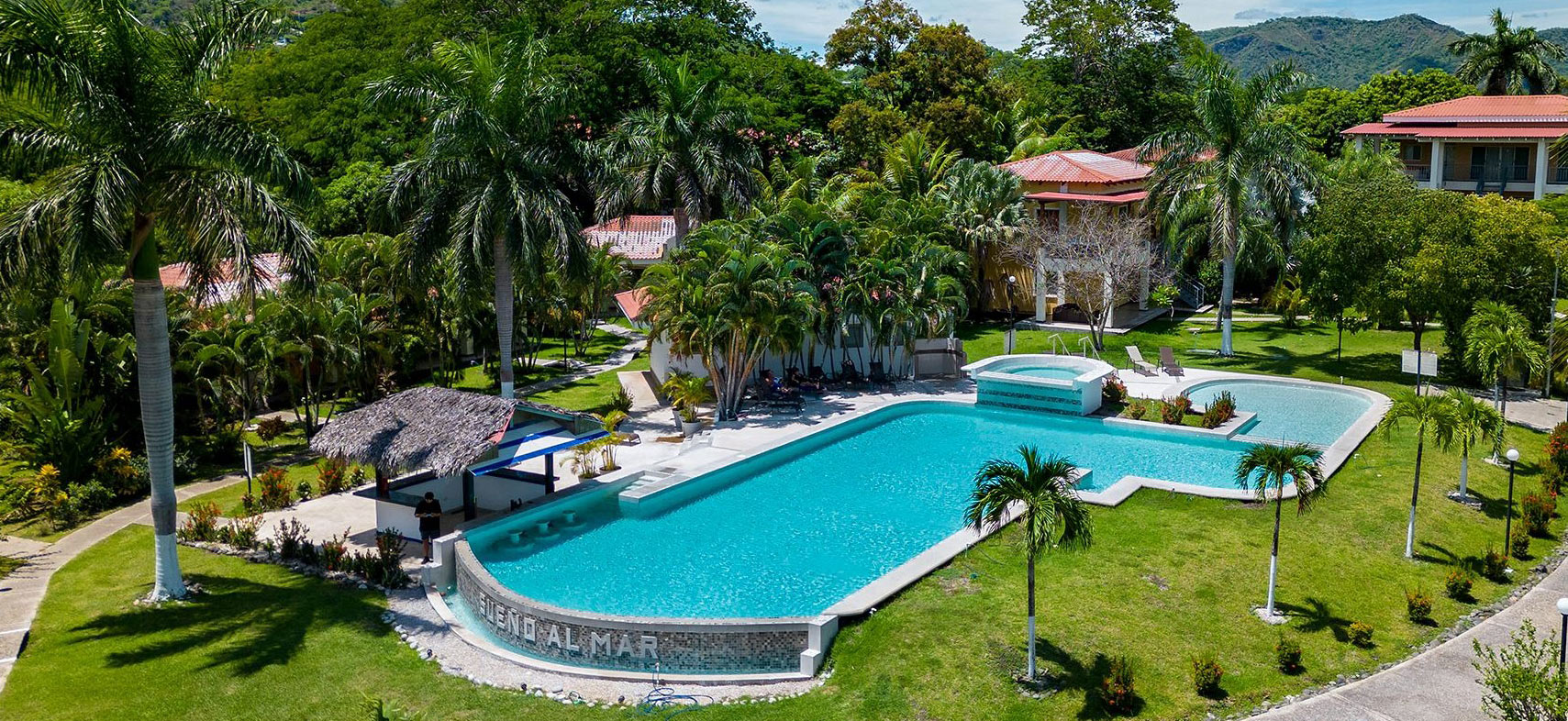
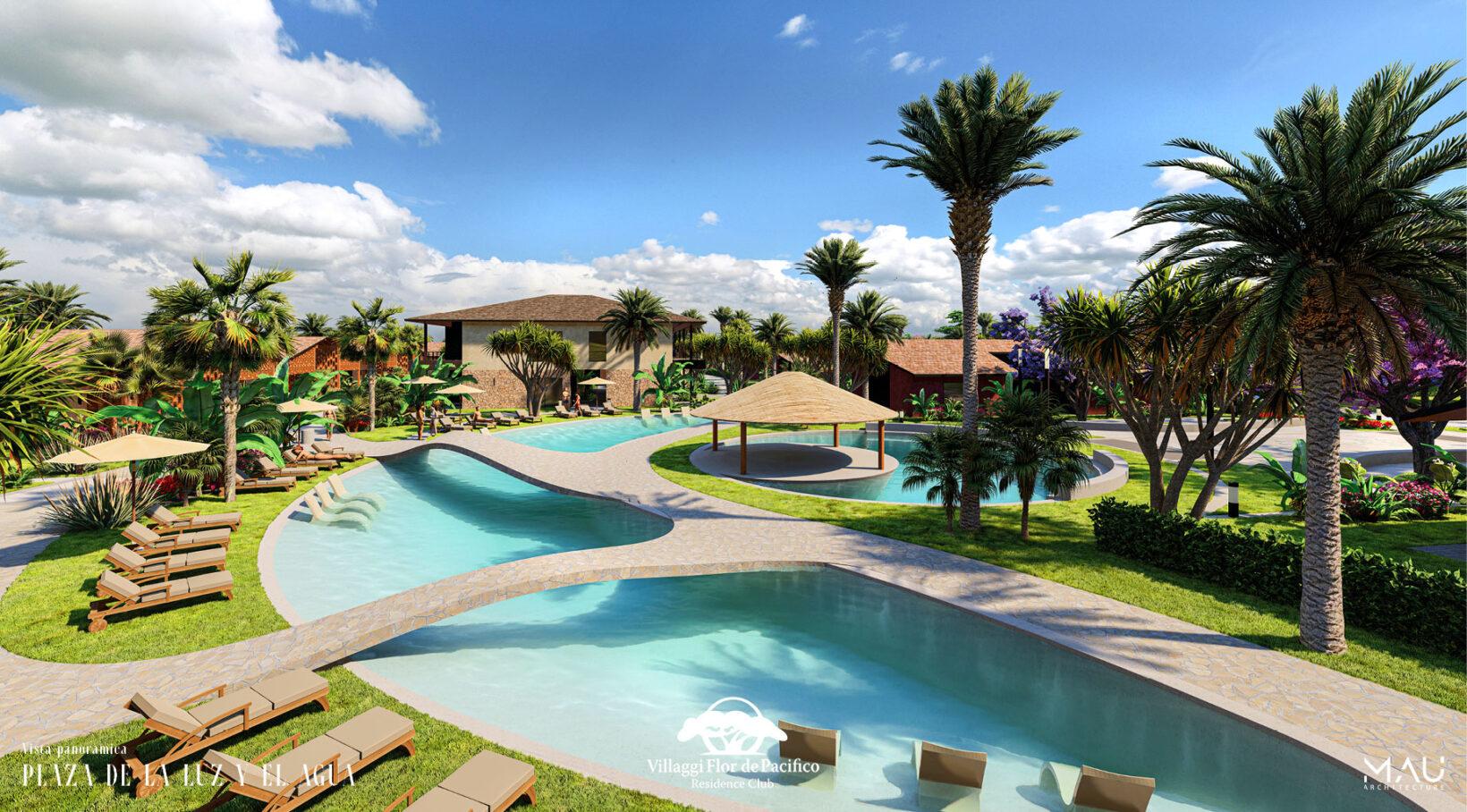
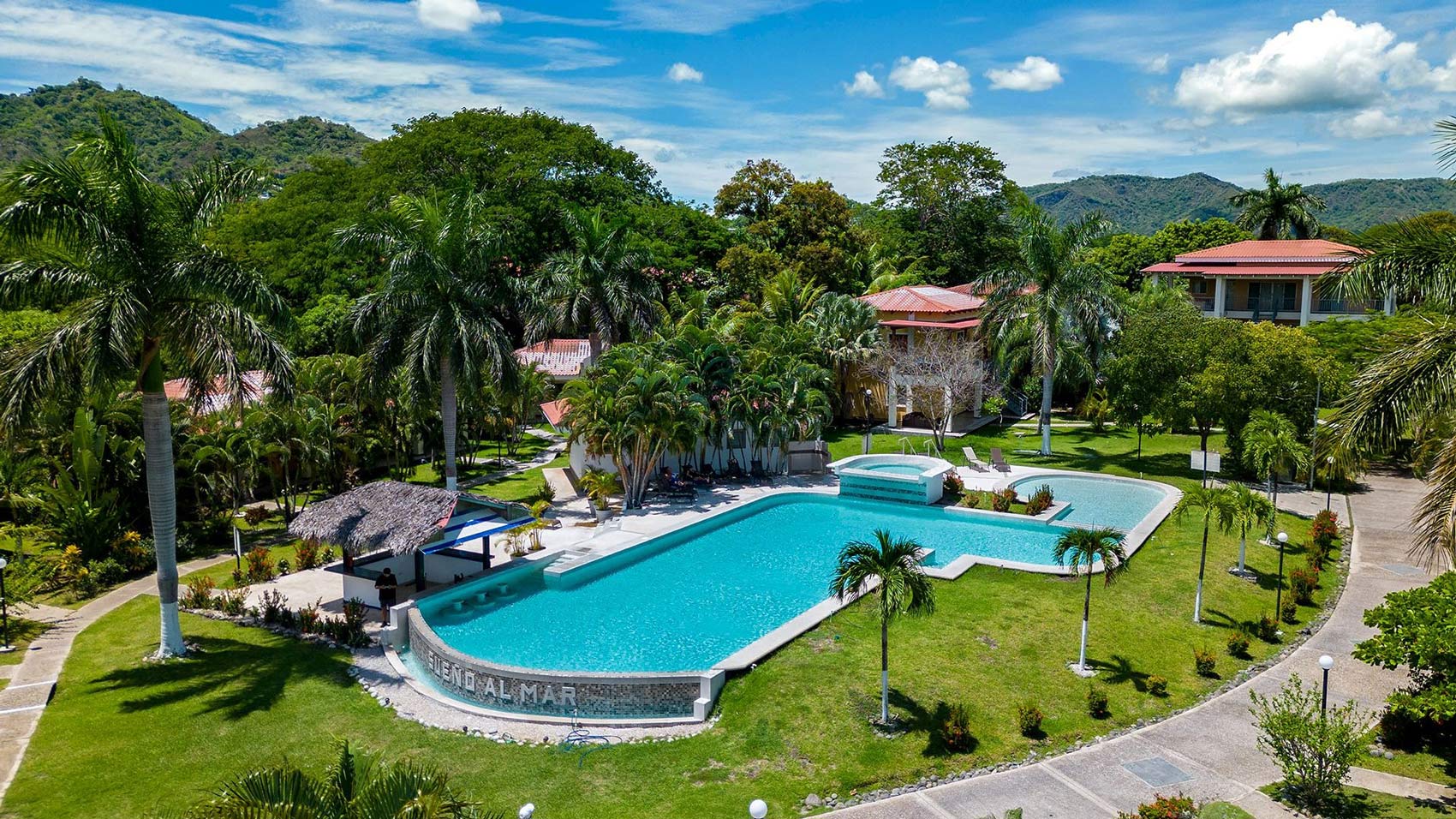
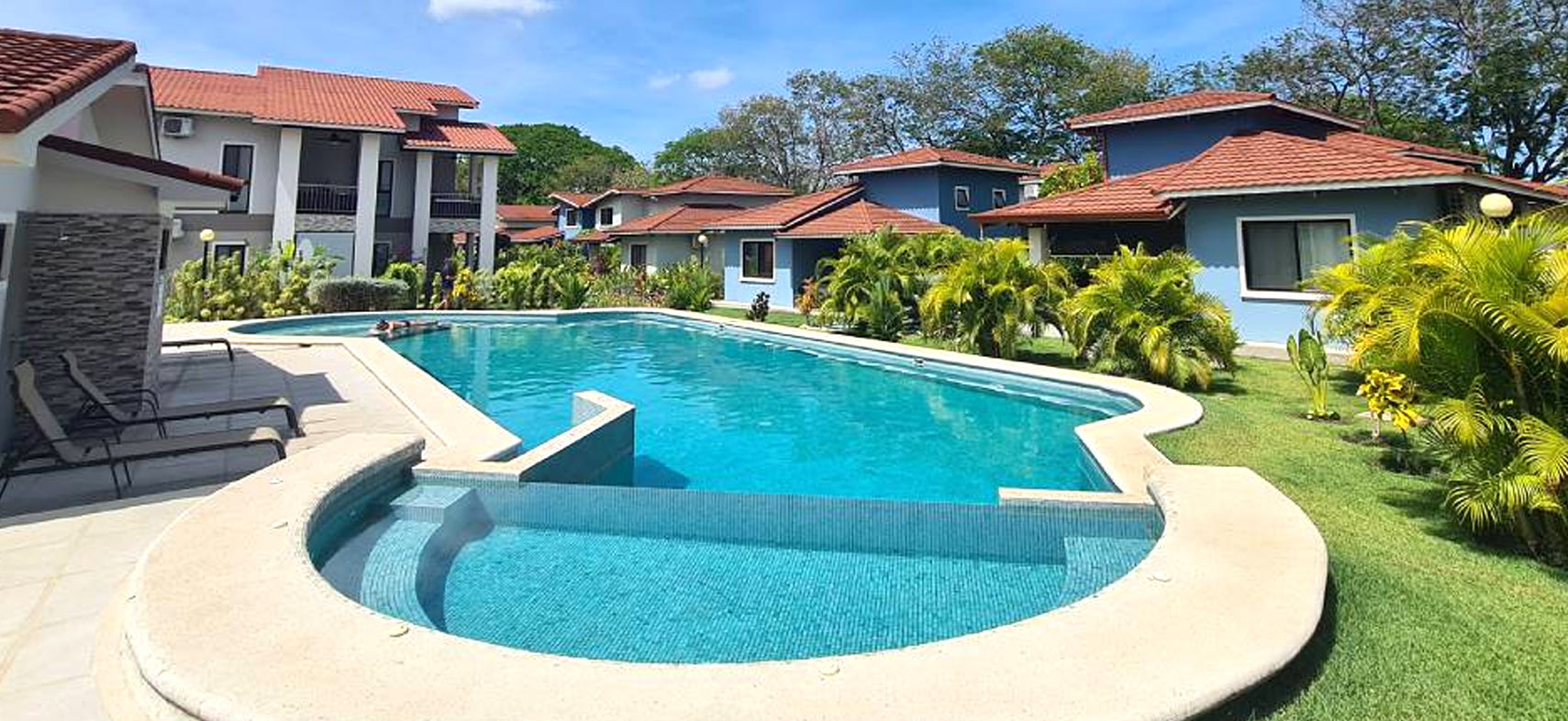
The new Flor de Pacífico village in the heart of Guanacaste.
A haven of tranquility and beauty, perfectly harmonized with the surrounding environment.
Life here revolves around a charming shopping plaza, the vibrant heart of the community, where you’ll find shops and restaurants—perfect for an afternoon of shopping and relaxation.
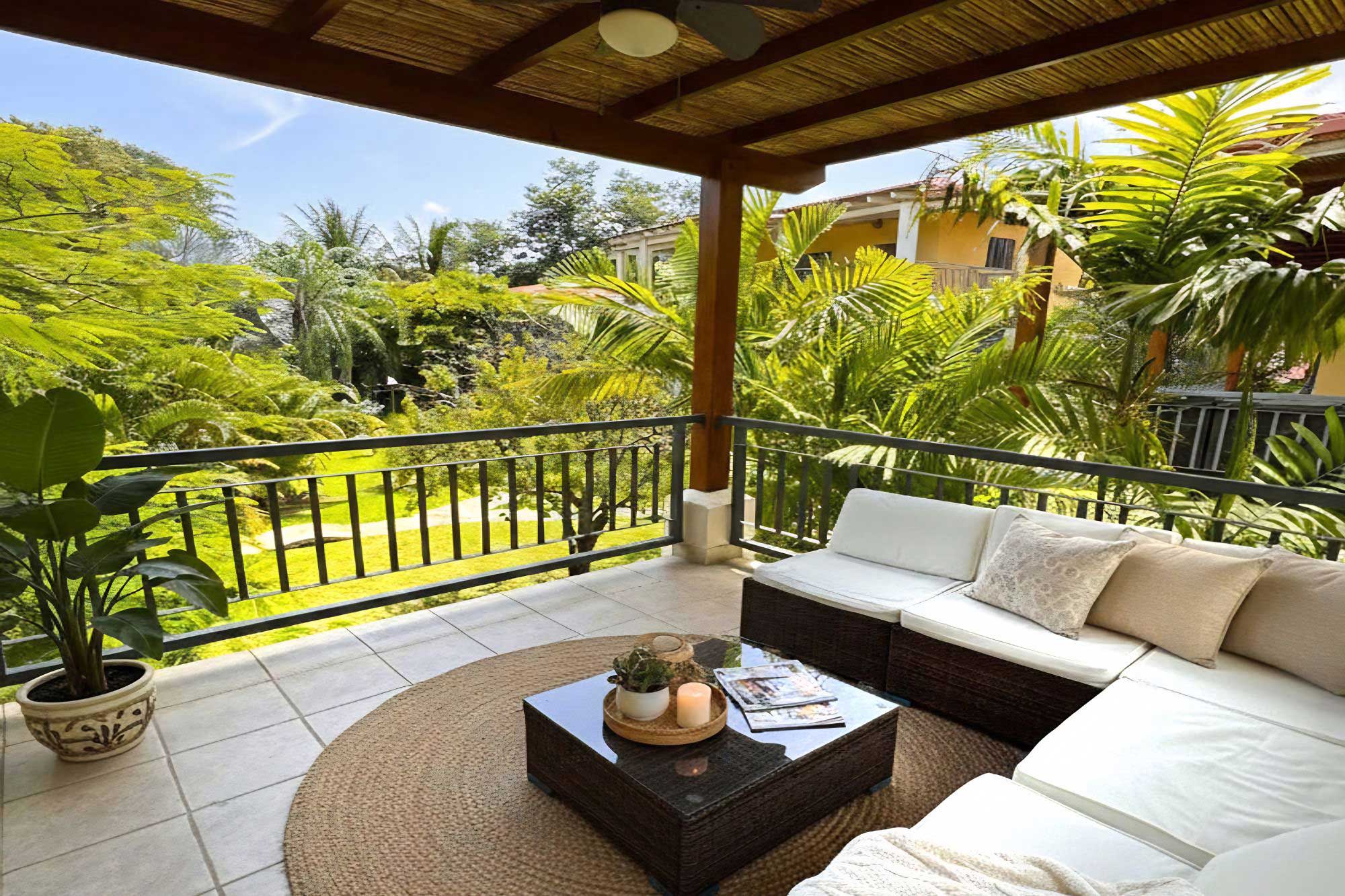
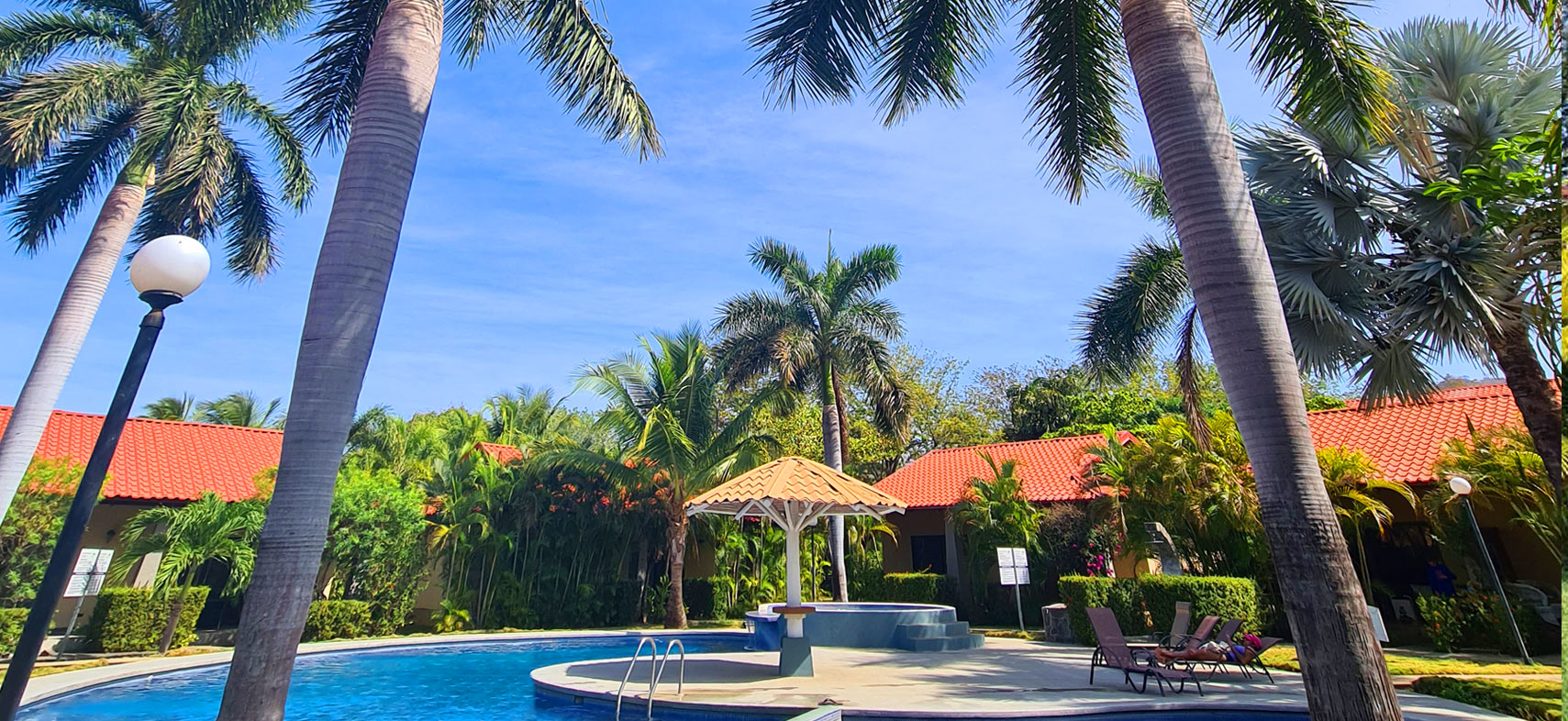
An exclusive residential complex distinguished by its elegance and variety of housing options, set amid lush tropical gardens and offering first-class amenities.
Located just 100 meters from the crystal clear waters of Costa Rica, this village is a true paradise for those who dream of a life in close contact with the sea.
Located just 400 meters from the crystal clear Pacific Ocean, offering a variety of luxurious residences immersed in an oasis of greenery and water, where well-being and tranquility reign supreme.
The cost of living in Costa Rica is one of the most frequently researched topics among people looking to move to or invest in this beautiful country. Known as the “Switzerland of Latin America”, Costa Rica offers the perfect blend of natural beauty, high-quality services, and affordable costs. With its exclusive villas, Flor de Pacifico is an ideal choice for living in Costa Rica or vacationing here without giving up comfort and peace of mind.
On average, the cost of living in Costa Rica is around €1,000–€1,500 per month, enough to enjoy a comfortable standard of living or total relaxation, depending on your preferences. Expenses vary by location and lifestyle, but in general, the country offers considerable savings compared with many Western nations.
One of the main advantages of the cost of living in Costa Rica is the flexibility to suit every need. For example:
At Flor de Pacifico, you can enjoy the beauty of Costa Rica while staying in comfortable accommodations surrounded by breathtaking natural scenery.
Housing costs in Costa Rica vary by location and property features: renting a villa with a garden costs between €300 and €600 per month, while an apartment near the beach costs more. Foreigners have the same rights as Costa Ricans when buying property, making real estate ideal for relocating or investing. Homes are different from those in Italy, with earthquake-resistant metal roofs and no heating. Water and electricity cost around €40 per month, plus another €50 for TV and internet.
Grocery costs in Costa Rica Local supermarkets carry staples such as meat, fish, tropical fruit, and organic vegetables, all 100% natural. Prices are 20% lower than at large shopping centers. Markets are even less expensive, and you can buy fresh fish at great prices directly from “mariscos” trucks. Ask locals for recommendations to find the best products. Taxes in Costa Rica Income taxes on business activities range from 5% to 15%, depending on profits. The VAT rate is 13%. Pensions are tax-exempt, but there is no double taxation treaty for Italian retirees, so their pensions remain taxable in Italy.
Transportation costs in Costa Rica New cars cost about the same as in Europe or the United States because of high taxes. Public transportation is efficient and affordable. The cost of dining out Costa Rican cuisine features traditional dishes such as Casado and Empanadas, as well as international options, including Italian food. You can eat well for less at small local fast-food restaurants called “sodas.” Entertainment in Costa Rica The country offers cultural activities such as museums and concerts in San José, as well as family-friendly entertainment, including amusement parks, sports, tours, and fairs. For nature lovers, it’s an ecotourism paradise, with a quarter of the country protected and numerous national parks and nature reserves.
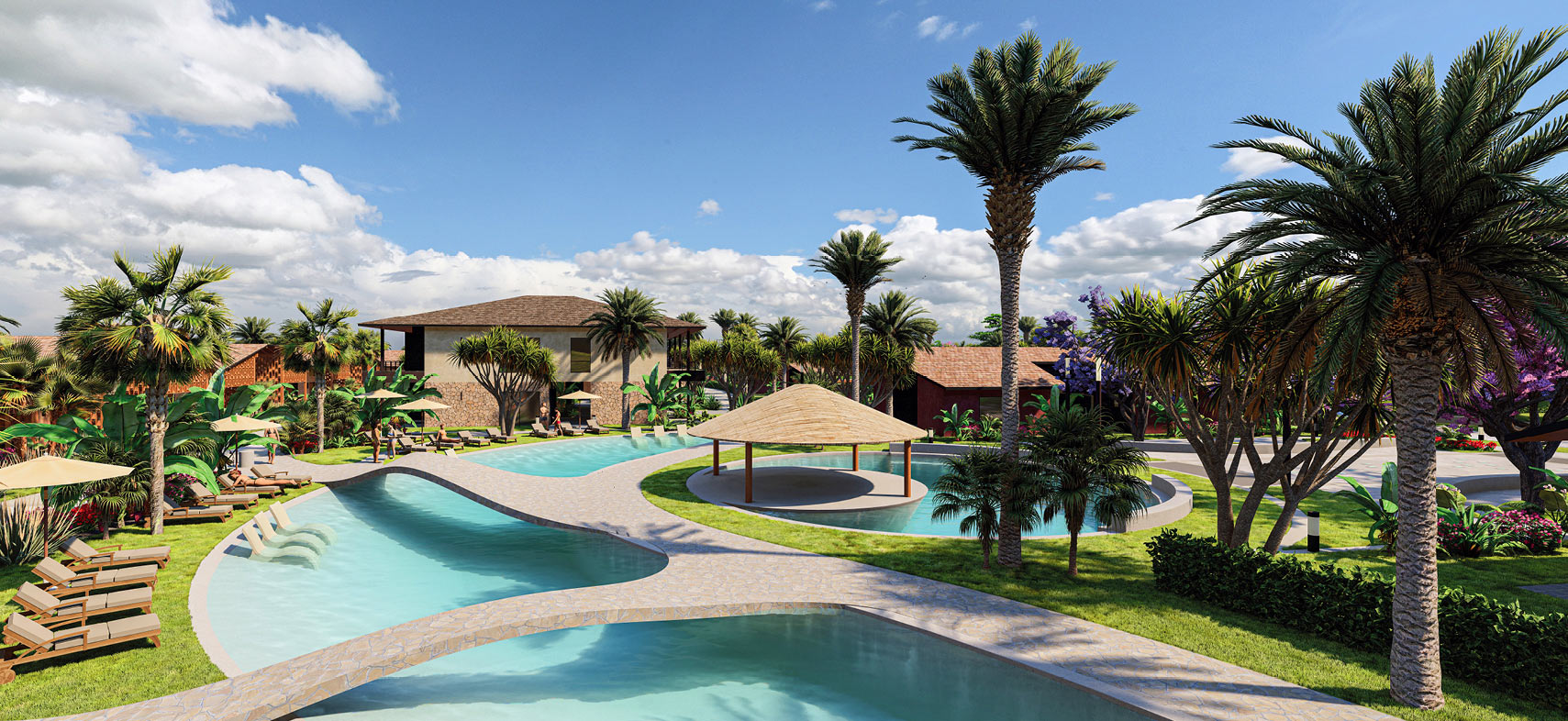
With over 30 years of experience, we have helped more than 1,500 Italian families find their ideal tropical home.
Whether you’re an investor looking for income-producing properties, a family planning to relocate permanently, or someone interested in spending only part of the year in Costa Rica, Flor de Pacífico is the right choice for you.
More than 1,500 satisfied clients – people who now live in, vacation in, or earn rental income from their homes in our residential communities.