


Sustainable Development in Costa Rica: Infrastructure That Makes Room for Wildlife
When people talk about development in Costa Rica, especially in the Guanacaste region, the conversation isn’t just about building new roads or residential communities. What really makes a difference is how the infrastructure is designed. As construction and tourism expand, so do the risks to local wildlife: habitat fragmentation, vehicle collisions, and electrocution. That’s why the country—internationally recognized for its model of sustainable development—is incorporating practical solutions such as ecological corridors and wildlife crossings into new projects. These aren’t just isolated protected areas, but connected systems that allow animals to move safely between forests, coastal areas, and hillsides. This is essential in a country that actively protects its biodiversity.
Punta Cacique (Guanacaste): 15 Wildlife Crossings to Protect Habitats and Communities
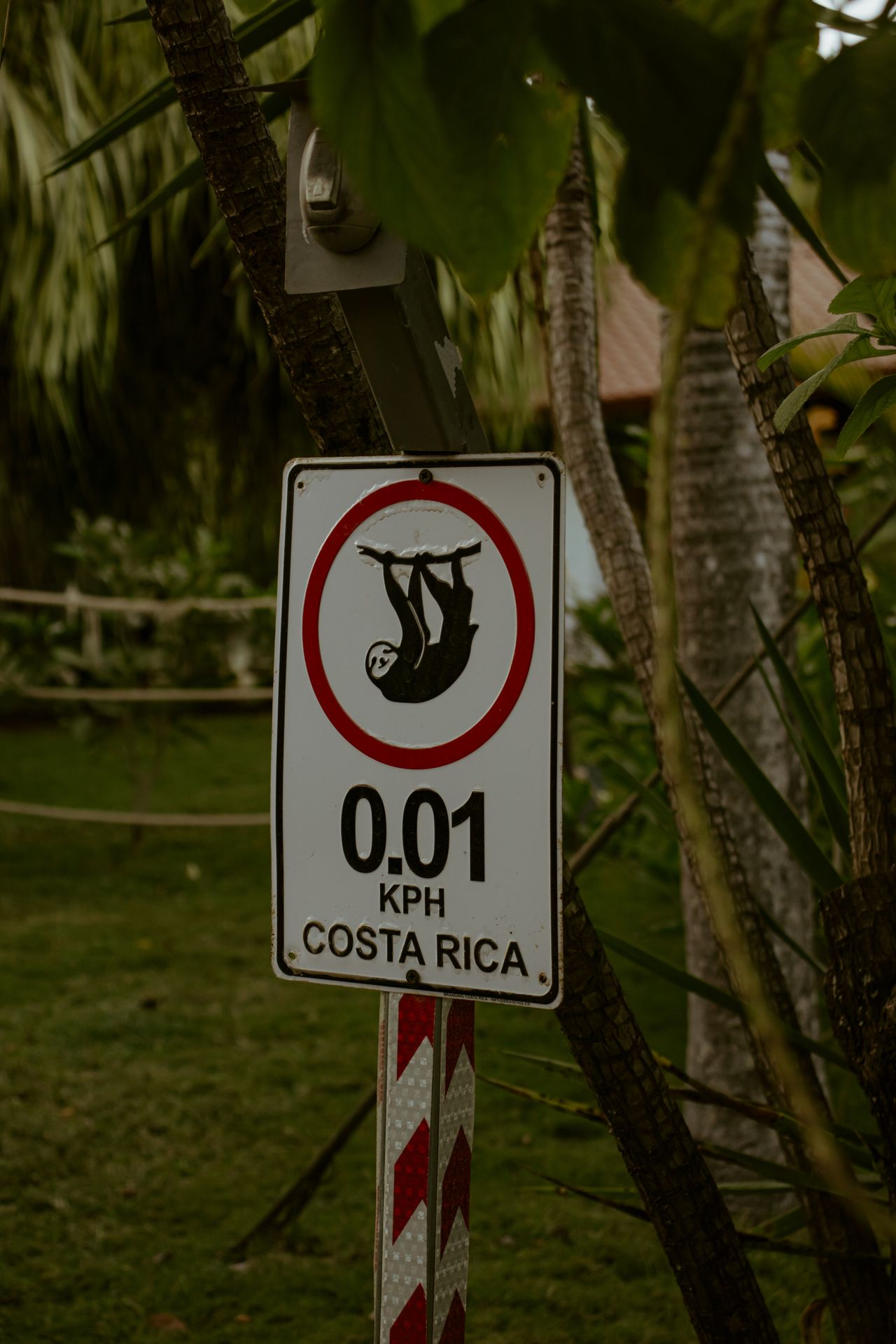
One practical example of sustainable infrastructure in Costa Rica is the project underway in Punta Cacique, in Guanacaste. Plans call for 15 wildlife crossings, including:
- canopy bridges for tree-dwelling species
- underpasses for land animals
- dedicated road signs for drivers
- traffic-calming systems
Some crossings are already in operation: two have been built near Playa Penca (one 27 meters long and one 10 meters long), while the others will be installed along the public road. The goal isn’t just environmental. Reducing dangerous crossings means fewer traffic accidents, greater safety for residents and visitors, and a model of sustainable development that accommodates both human and animal movement.
Ecological Corridors and Protected Infrastructure: Preventing Electrocution and Habitat Fragmentation
In addition to wildlife crossings, the Costa Rica model includes structural improvements to power lines. In some areas of Guanacaste, underground lines or insulated systems are being adopted to reduce the risk of electrocution, one of the leading causes of death for tree-dwelling species. Solutions implemented in ecological corridors include:
- trees connected by natural bridges
- vegetative barriers
- dedicated signage
- speed bumps
- urban planning that includes environmental buffer zones
These measures reduce ecosystem fragmentation and maintain connections between habitats—essential in a country that has made biodiversity one of its greatest assets.
Living in Costa Rica Near Sustainable Projects: Environmental and Real Estate Value
For anyone considering living in Costa Rica or investing in Costa Rica, these projects are good news not just for the environment. Wildlife-friendly infrastructure means:
- safer roads
- fewer conflicts between people and wildlife
- landscapes that remain more intact over time
- greater value for the natural surroundings
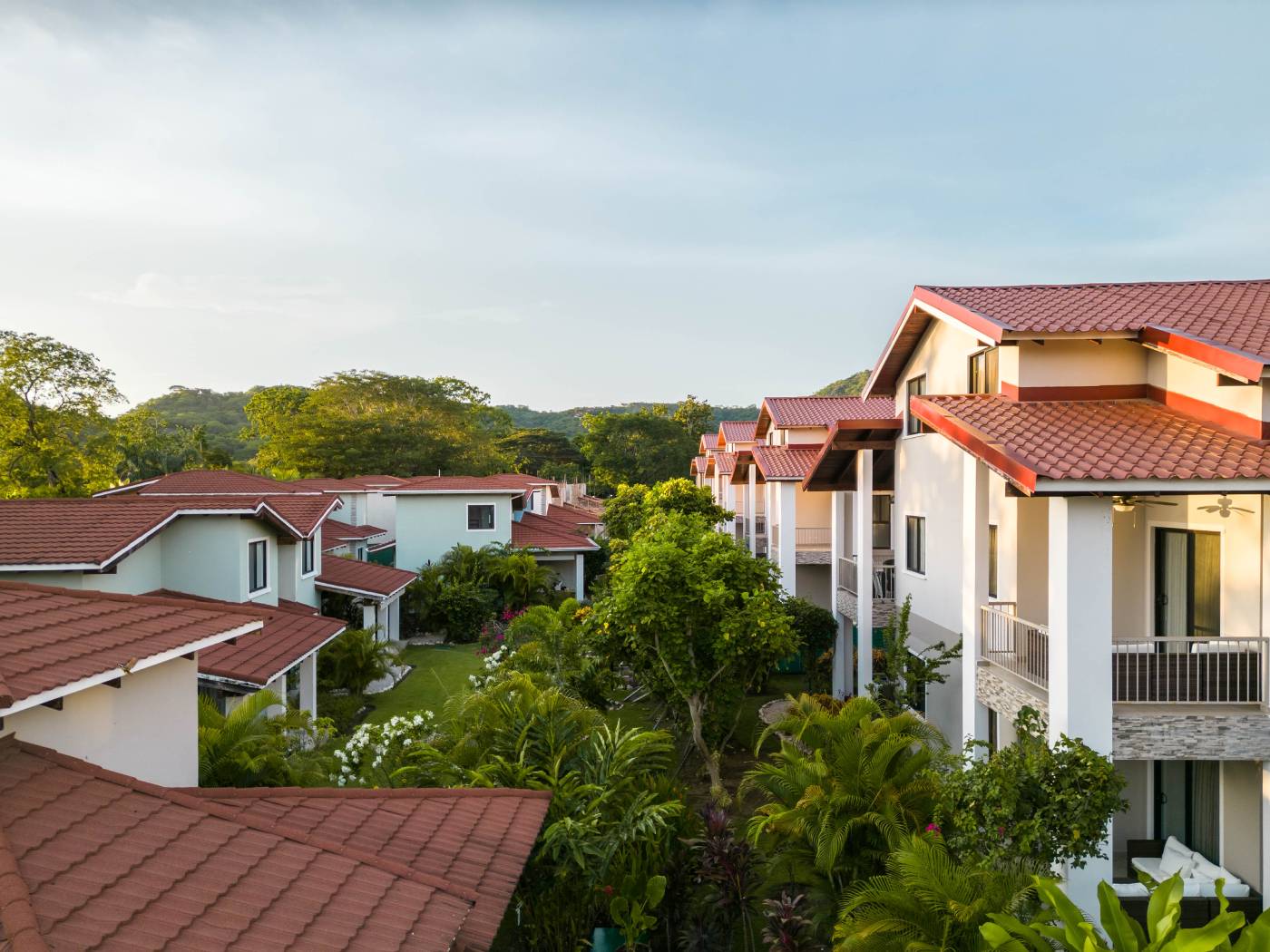
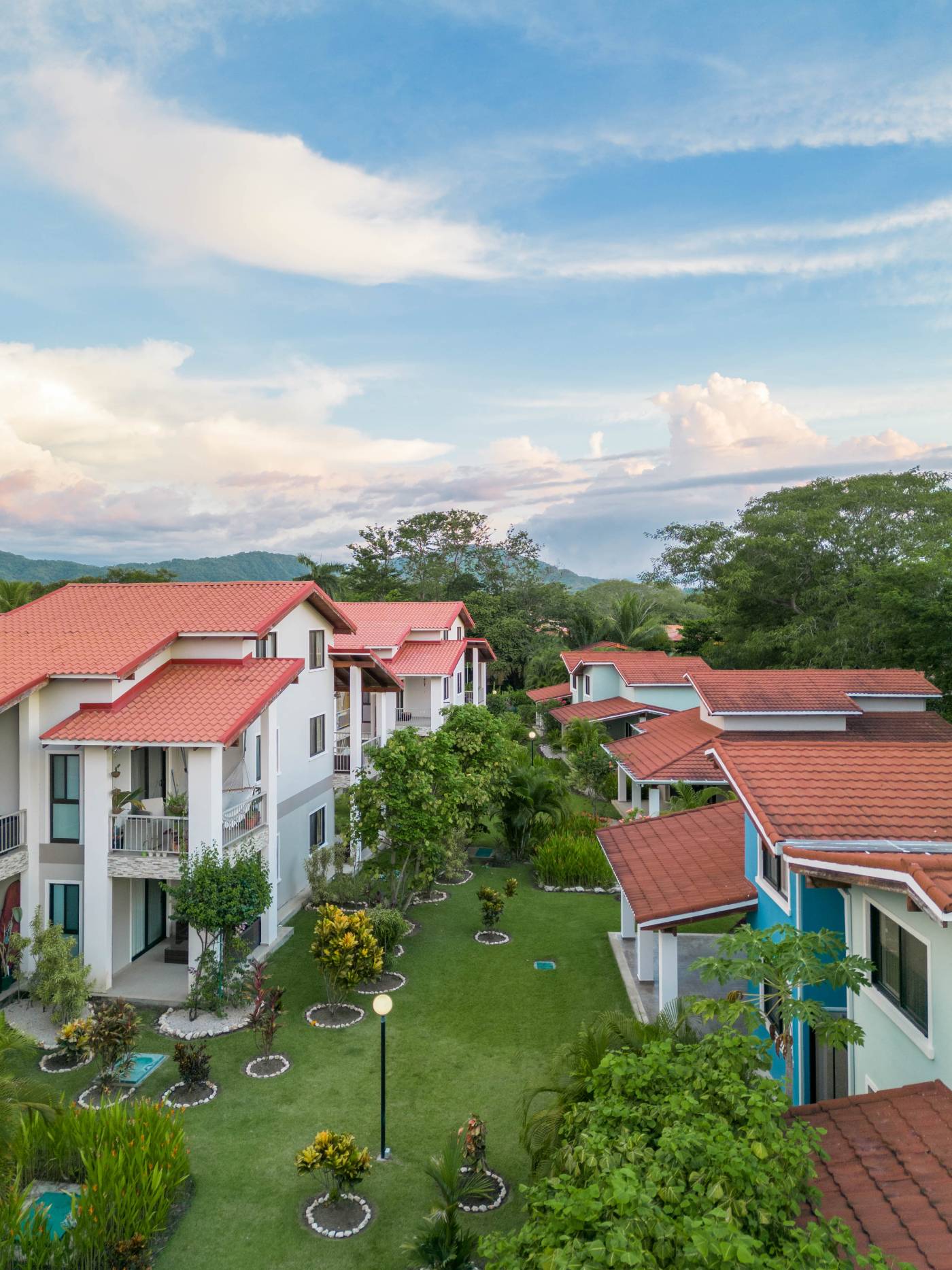
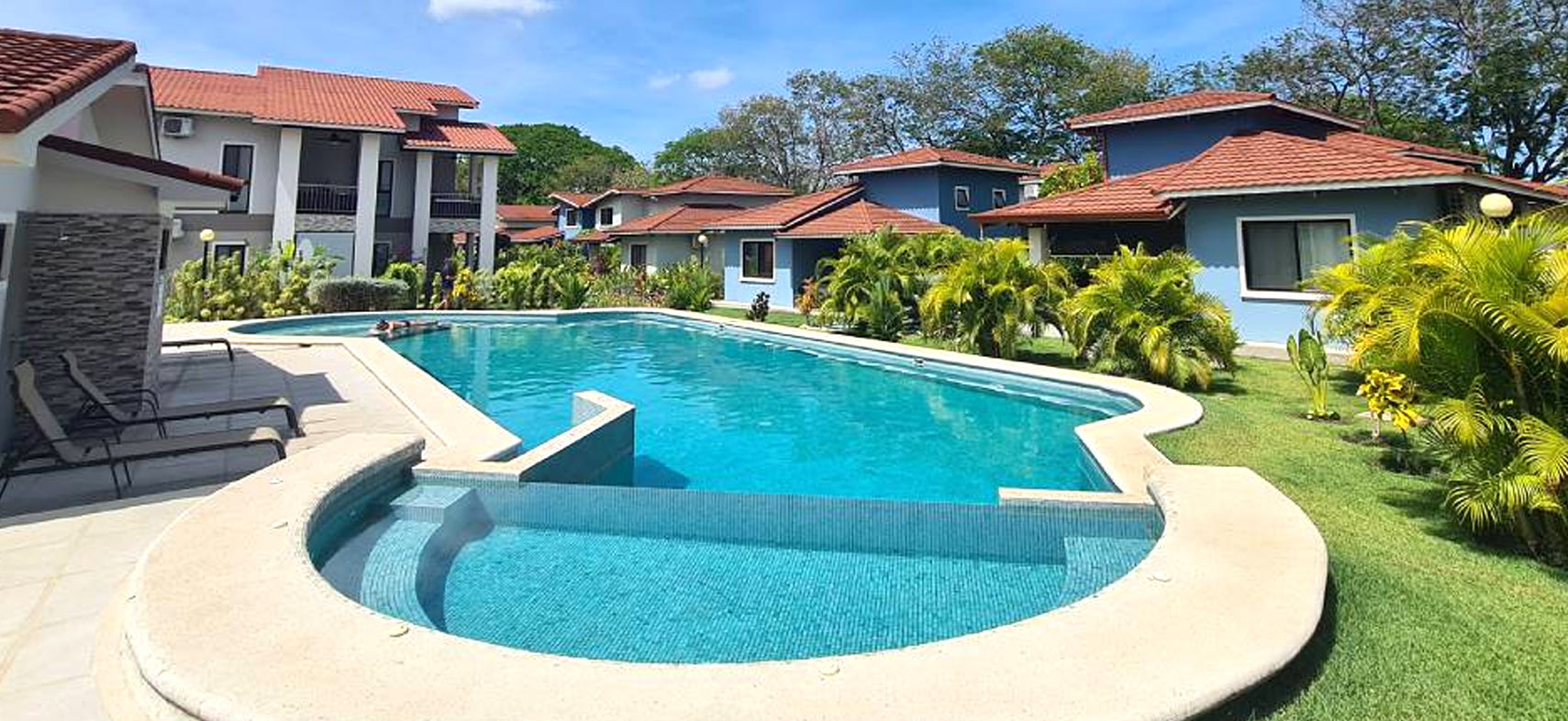
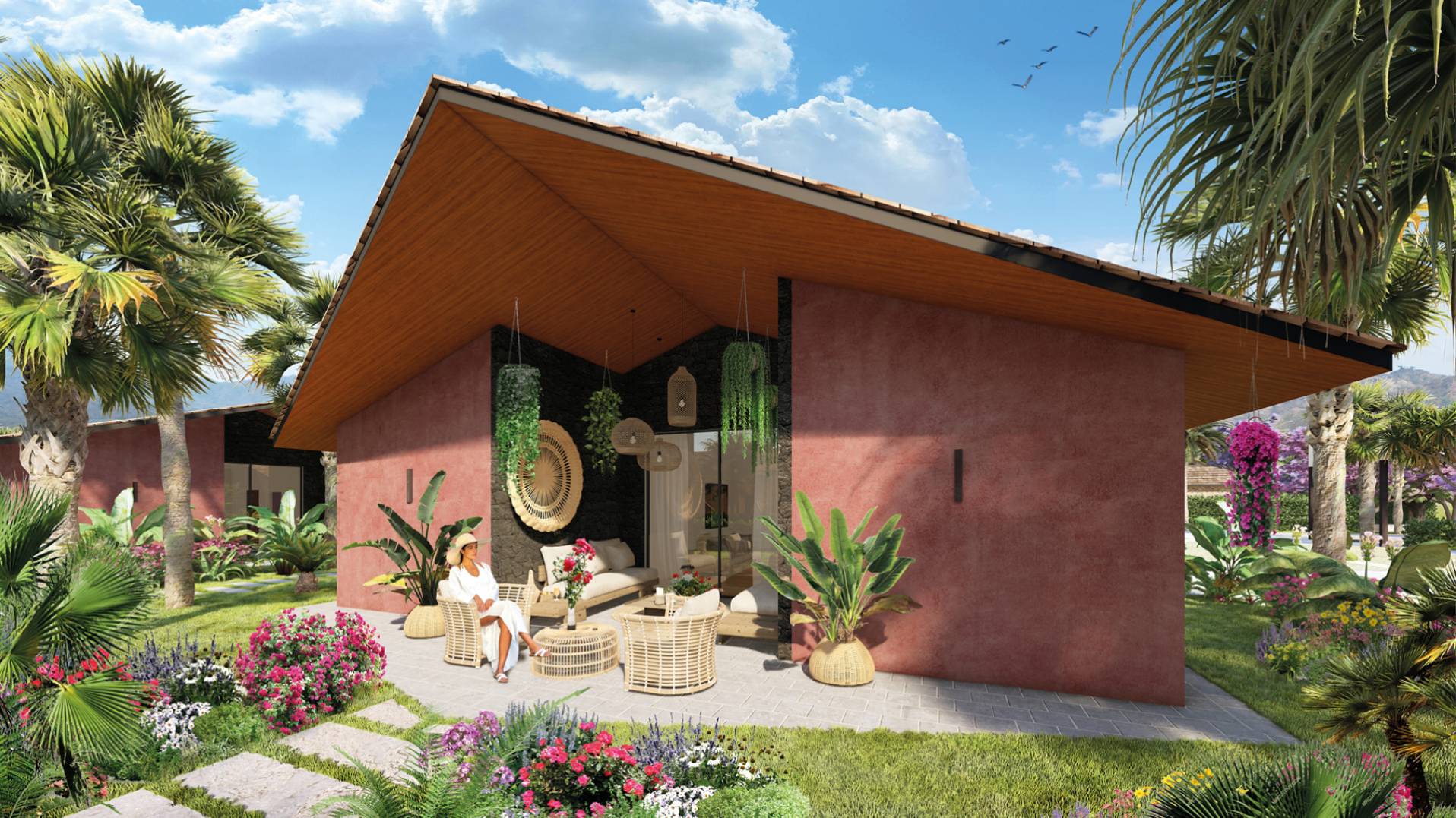
In residential communities such as the Flor de Pacifico villages, the presence of ecological corridors and sustainable development solutions helps maintain a high quality environment and, over the long term, real estate value as well.
Why This Model Makes a Difference for Anyone Looking for a New Way of Life
Many tropical countries are growing rapidly, but few truly incorporate wildlife protection into infrastructure planning. Costa Rica, by contrast, has chosen a different path: investing in ecological corridors, biodiversity protection, and infrastructure that works in harmony with the ecosystem. For anyone looking to live in Costa Rica or invest in Costa Rica in an authentic natural setting, this approach offers a tangible guarantee of balance between modern comfort and environmental respect.
Want to discover what life is like in a truly sustainable community in Costa Rica?
Fill out the form to receive information about the Flor de Pacifico villages and projects integrated with ecological corridors in Guanacaste.