


Retiring in Costa Rica: Why More and More Foreigners Are Choosing This Country
In recent years, retiring in Costa Rica has gone from an exotic dream to a practical choice for thousands of Europeans, Americans, and Canadians. According to a study by Universidad Hispanoamericana, more than 2,300 foreign retirees applied for temporary residency between 2020 and 2024, with an approval rate close to 80%. Behind these numbers is a straightforward question: What is life like in Costa Rica for retirees? The answer combines year-round mild weather, protected natural areas, safety in well-planned residential communities, and an established international community. It’s no coincidence that “retiring in Costa Rica” is now one of the most searched and clicked phrases. People who choose to retire in Costa Rica aren’t just looking for sun and beaches; they’re seeking a different balance between time, health, and quality of life.
Requirements for Retiring in Costa Rica
The rules for moving to Costa Rica as a retiree are clear and well-defined. You must provide proof of a stable pension income of at least $1,000 per month, enroll in the CCSS (the national health care system) or purchase private insurance, and submit translated and legalized documents. Retiree residency is initially granted for two years and can be renewed. After a few years, you may apply for permanent residency. One reason many retirees in Costa Rica settle there permanently is the tax treatment: income earned abroad is not taxed in the country. You can also import personal belongings at a reduced rate and, under certain conditions, vehicles. Moving to Costa Rica as a retiree takes planning, but the legal framework is stable and transparent.
Cost of Living in Costa Rica for Retirees
One of the most frequently asked questions is: What is the cost of living in Costa Rica? It varies depending on the area you choose. Costs may be higher in more touristy or central areas, while well-planned residential communities and established villages can offer a sustainable balance between expenses and service quality. For a European retiree with an average income, Costa Rica often offers a more affordable lifestyle than many Italian cities, especially when you factor in modest community fees, the absence of an equivalent to Italy’s IMU property tax, and health care costs that are generally lower than in the European private sector. Of course, some imported goods can be more expensive, as can high-end private health insurance. However, those who plan their move carefully can manage their budget with peace of mind.
Life in Costa Rica: Quality of Life and Stability
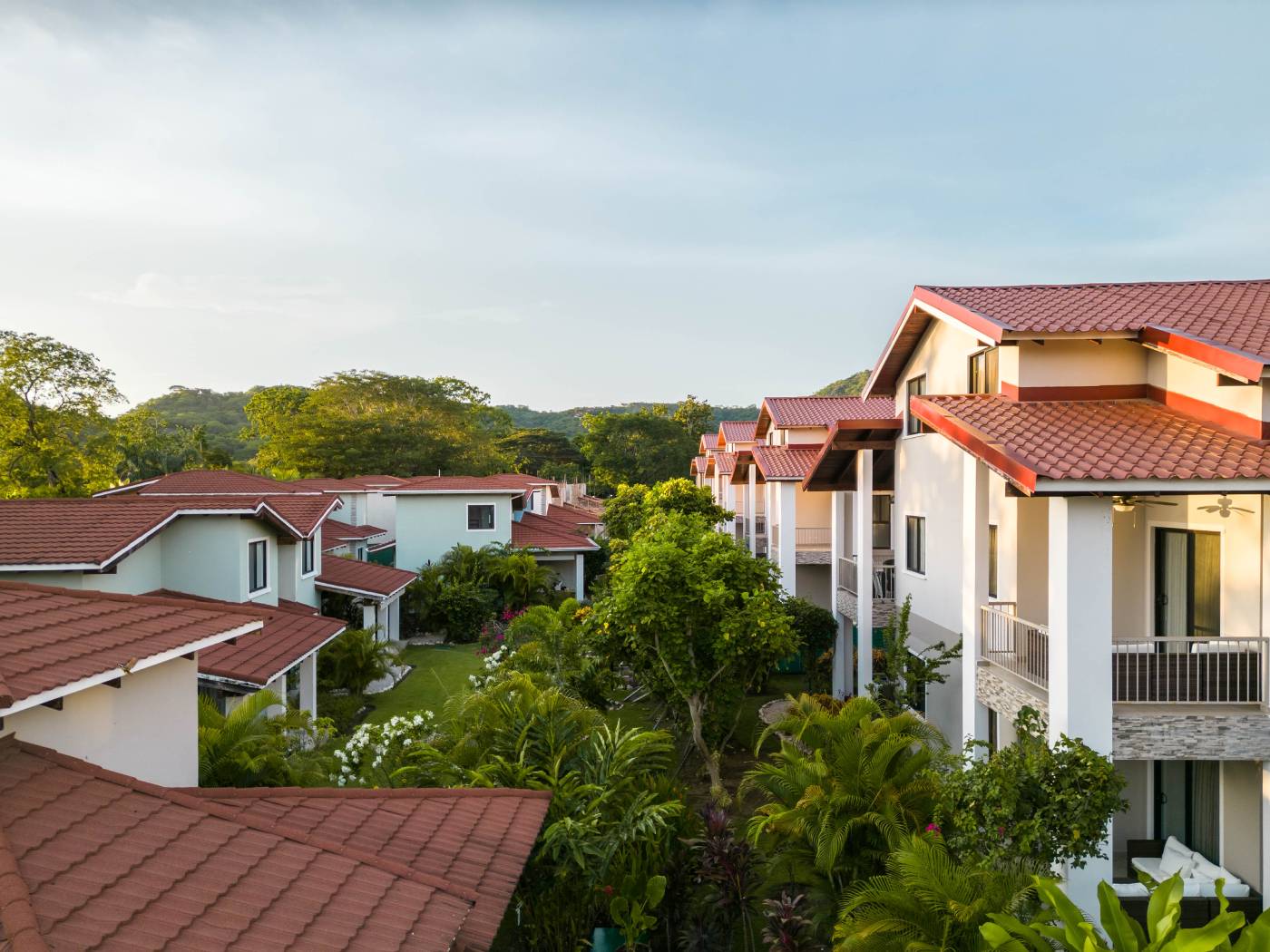
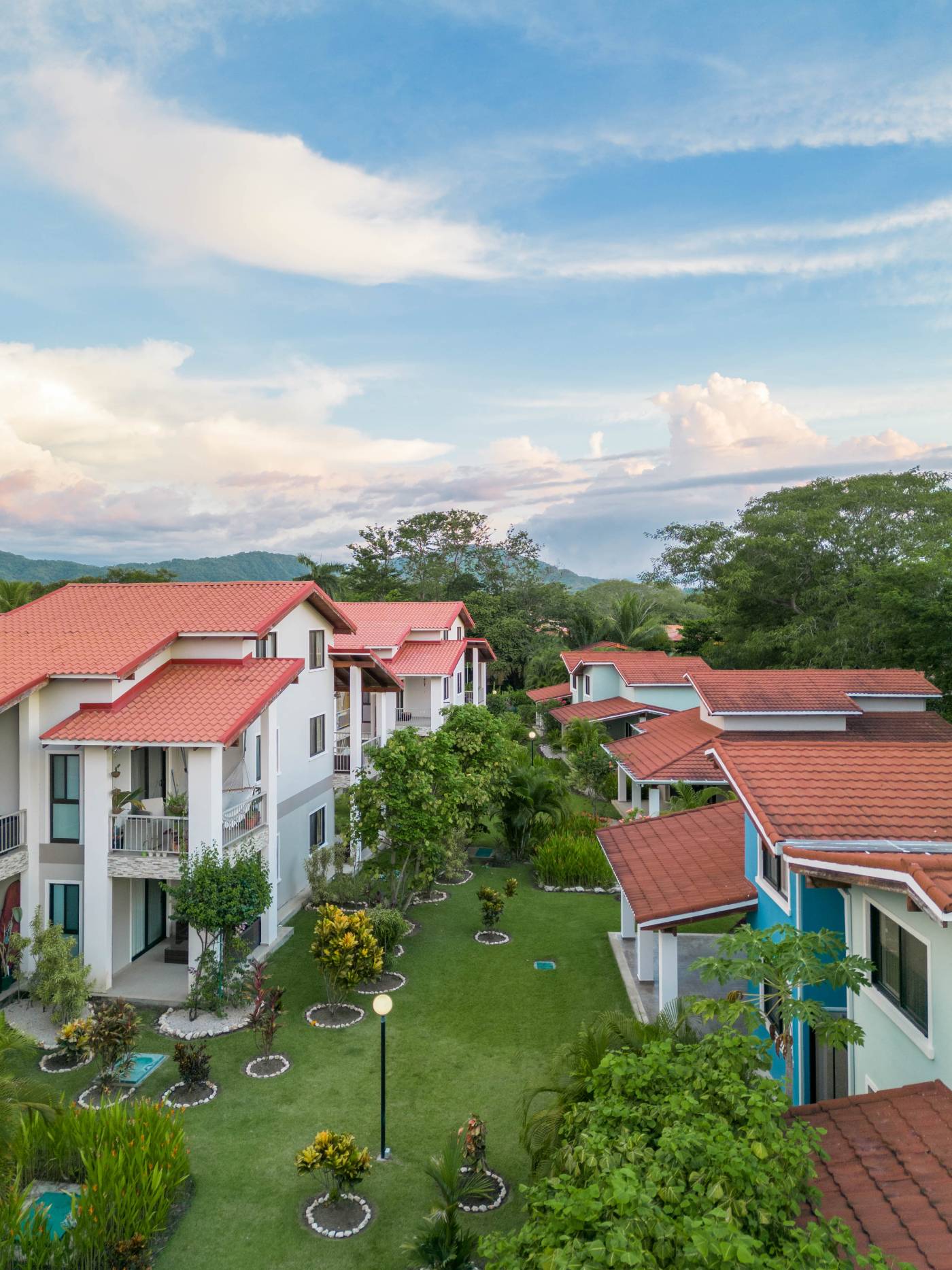
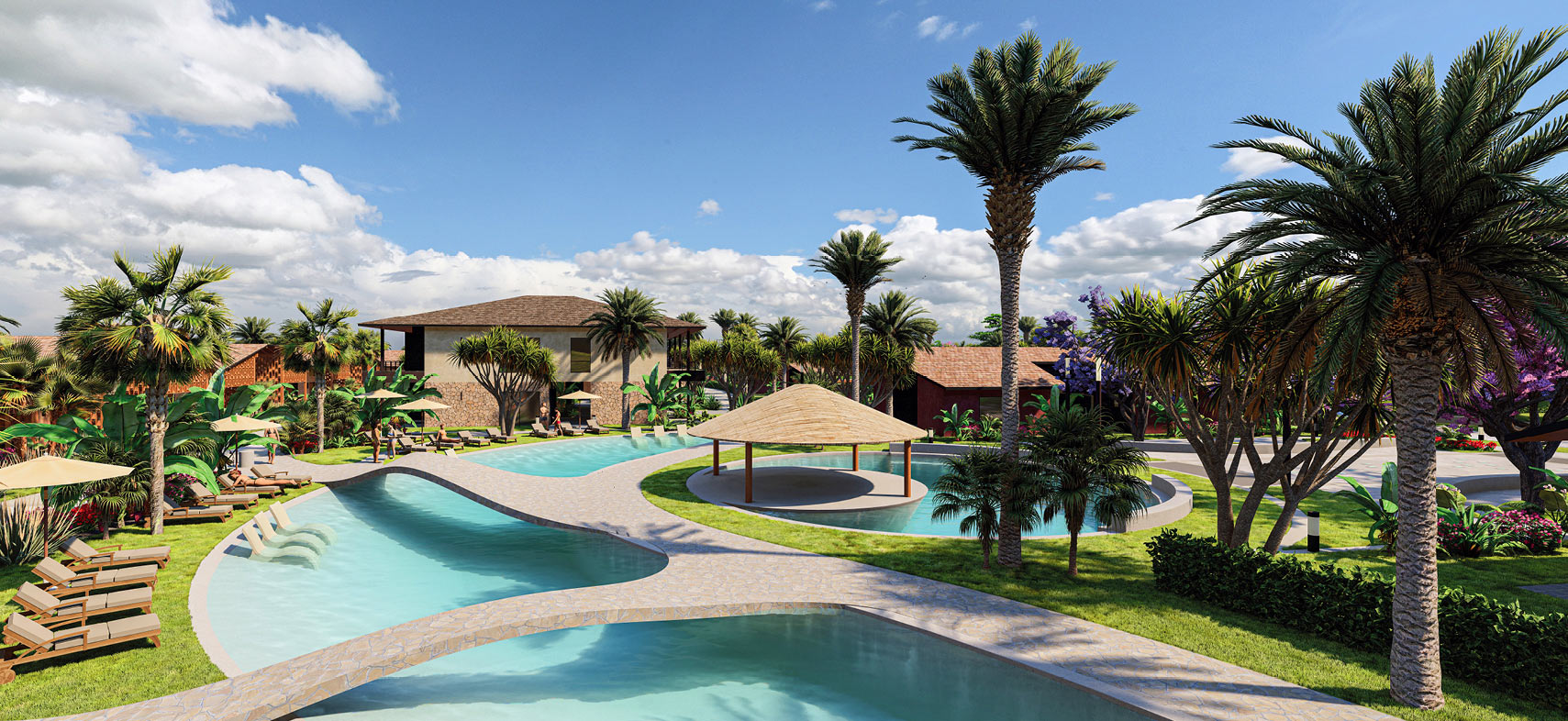
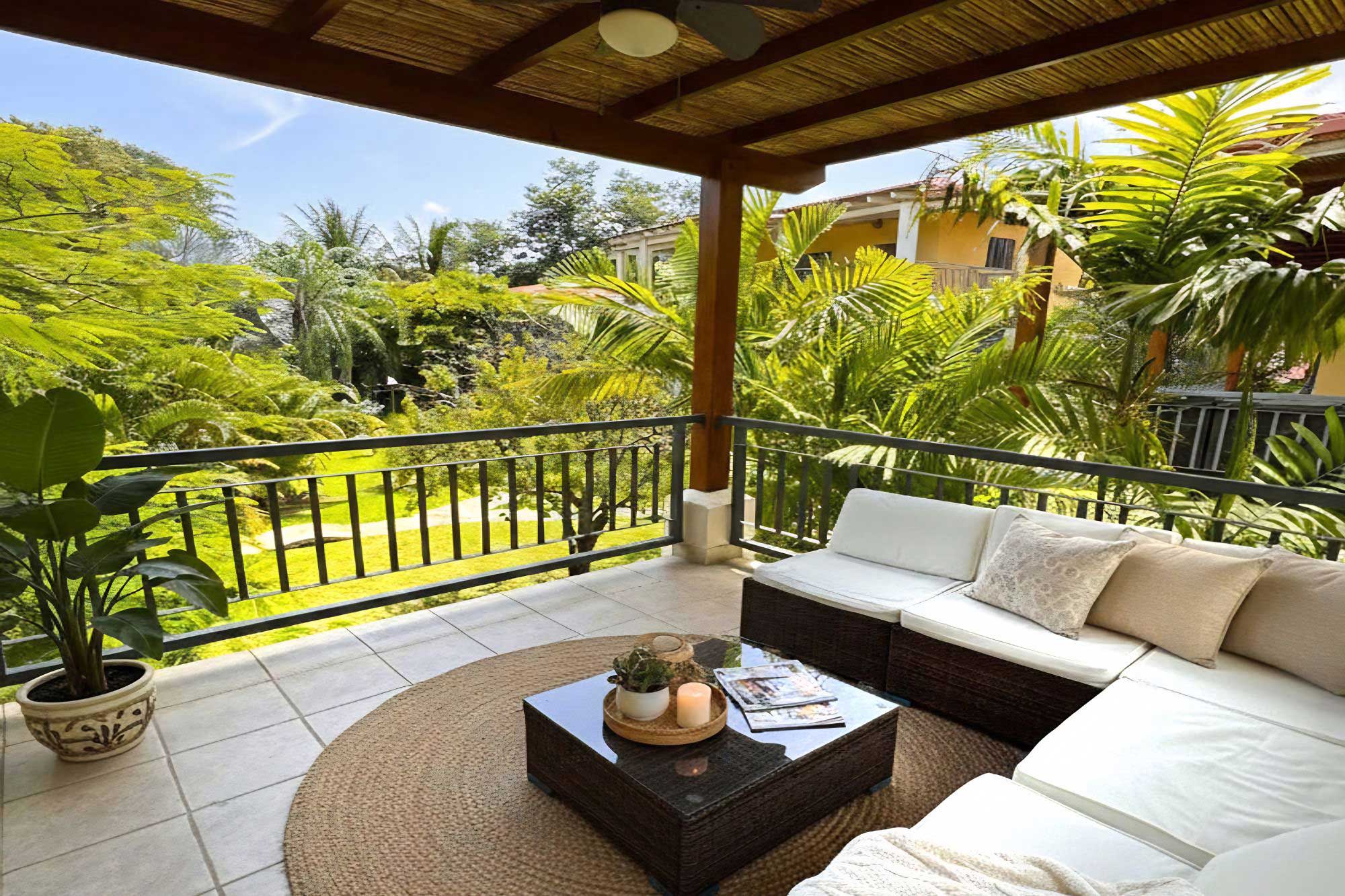
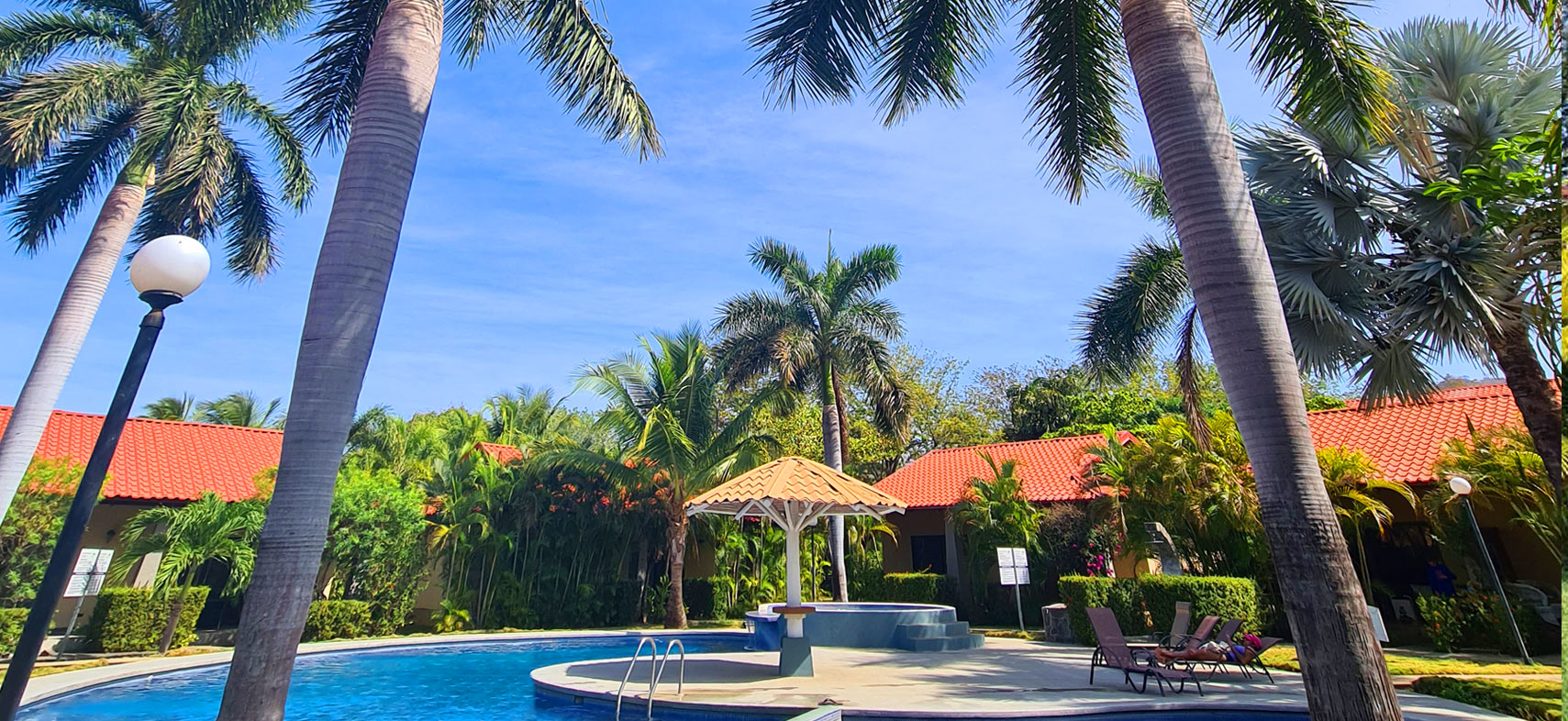
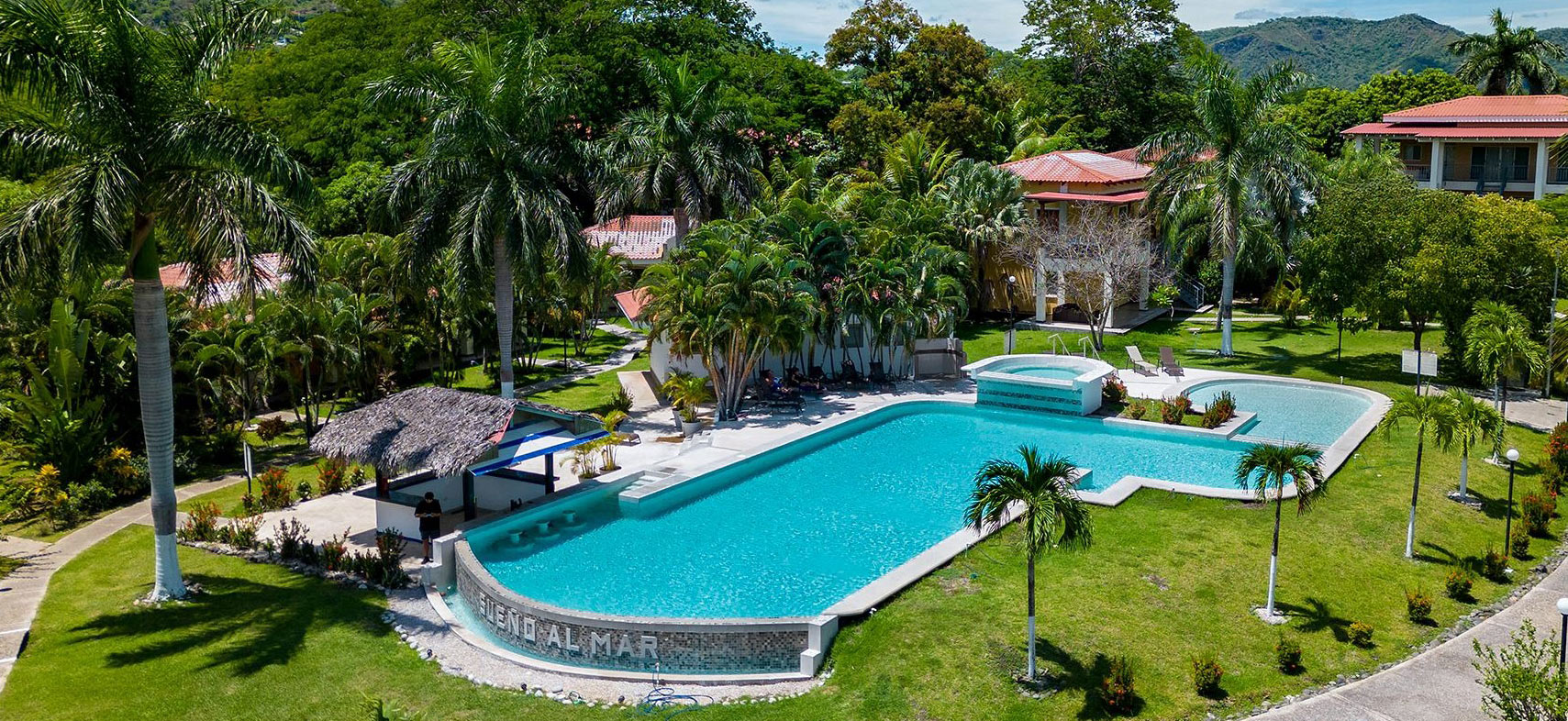
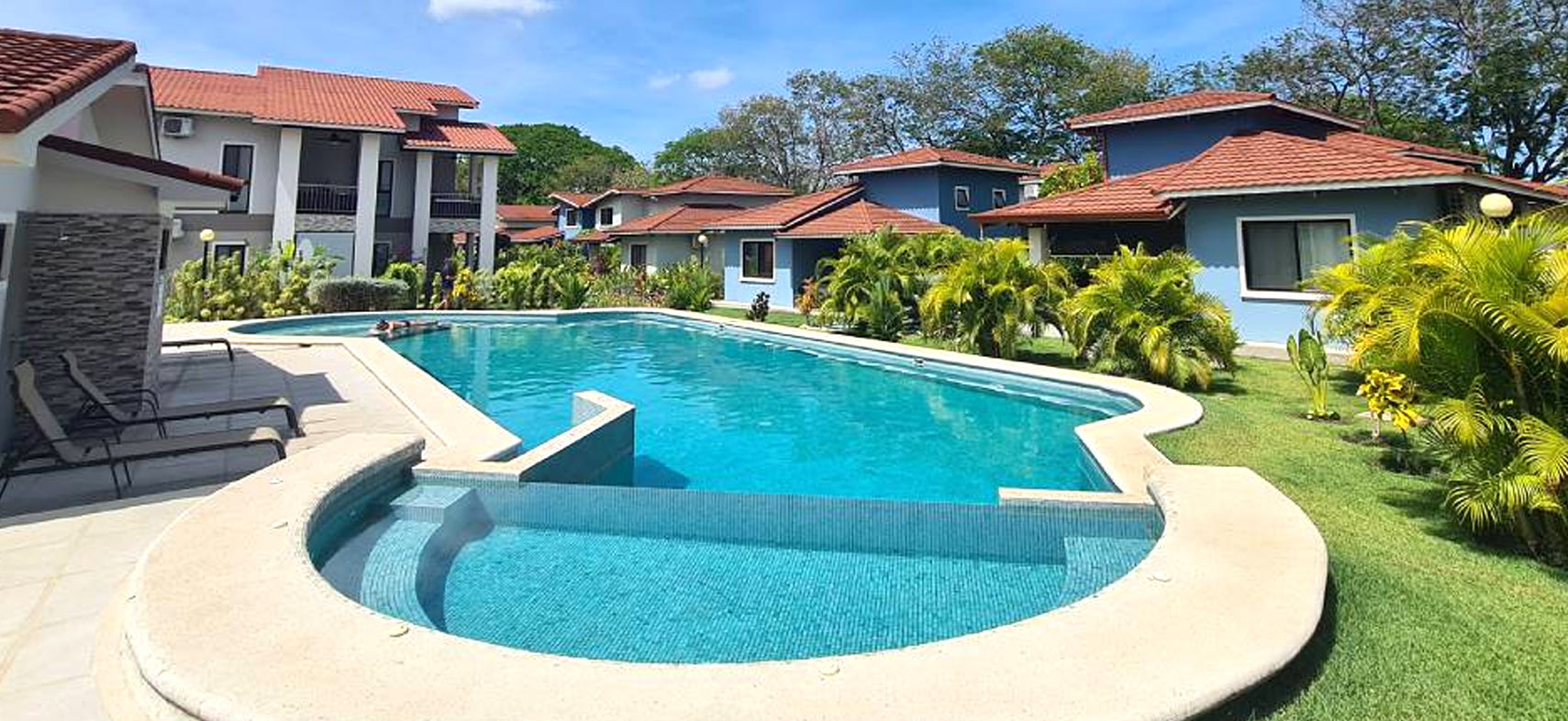
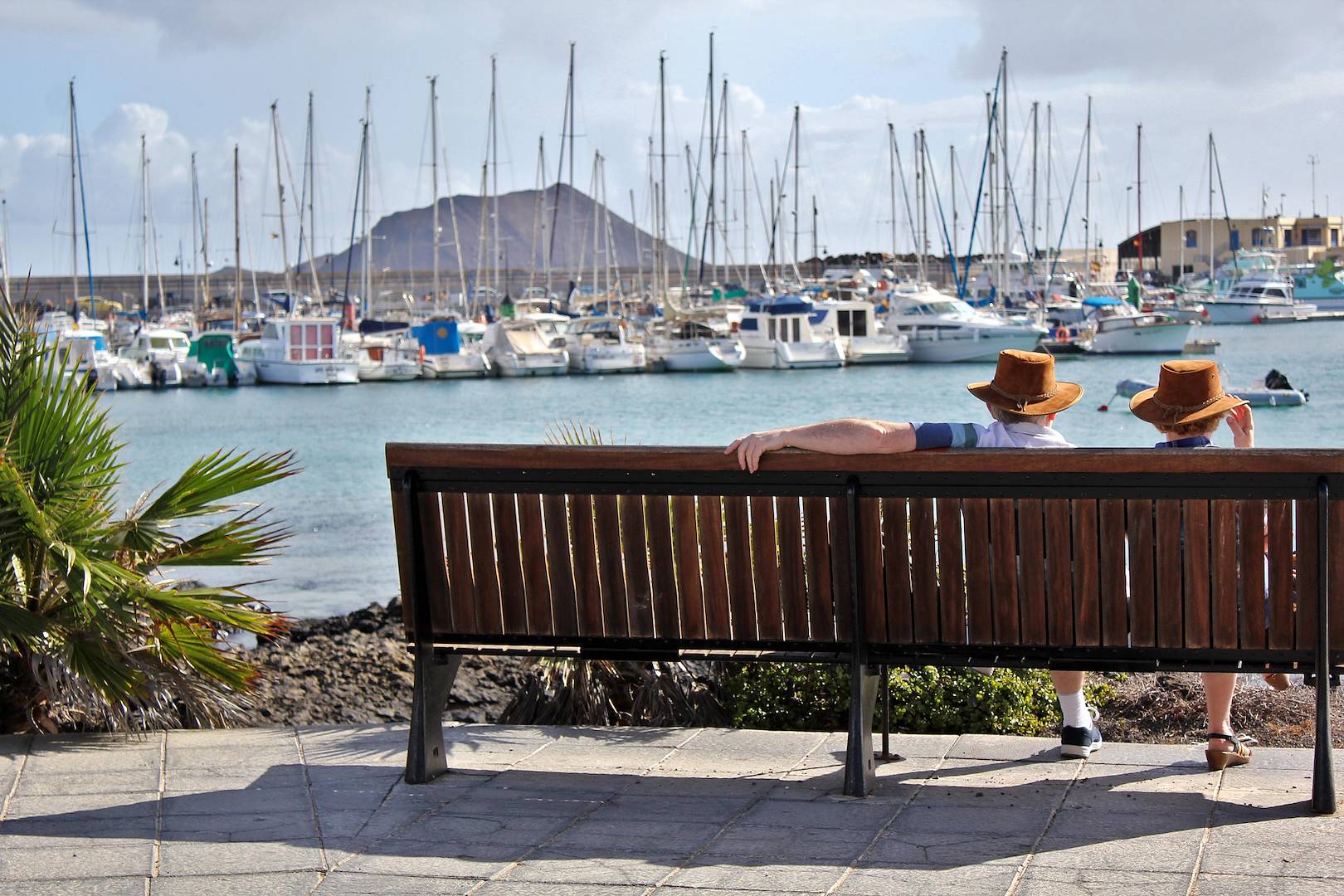
Costa Rica is one of Latin America’s most stable democracies. It has had no army since 1948 and has a well-established government system. This is an important consideration for people planning a permanent move. Living in Costa Rica means embracing a slower pace of life, with more time in nature and a culture focused on well-being. The “pura vida” philosophy is more than a tourist slogan; it’s an everyday way of life. In well-planned residential communities like the Flor de Pacífico villages, retirees find an established, integrated international community, shared services, security, and help with paperwork. This support eases the initial transition and makes it easier to settle in.
Retirees in Costa Rica: Rent or Buy a Home?
Many people start by renting, but a growing number choose to buy a home in Costa Rica. Searches for “buying a home in Costa Rica” and “investing in Costa Rica” are steadily increasing, a sign that the move is becoming permanent rather than temporary. Buying a villa in a well-planned community means you get:
- full, protected ownership
- real estate value in a stable market
- the option to generate rental income from the property
- an established community
For many Italian retirees, a home becomes more than just a place to live—it’s a genuine medium- to long-term investment in Costa Rica.
A Lifestyle Choice, Not Just a Move
Retiring in Costa Rica isn’t an escape; it’s a deliberate choice. It’s about deciding where to spend a stage of life when time becomes your most precious resource. With clear requirements, an affordable cost of living, political stability, and real estate opportunities, Costa Rica is now one of the most practical destinations for those looking to move abroad with confidence. If you’re considering retiring in Costa Rica or want to learn how to buy a home safely, fill out the form to receive detailed information about the Flor de Pacífico villages. Your fresh start may be closer than you think.