


Have you ever thought about leaving it all behind?
“After years working for a company, I felt that something wasn’t right anymore. I wanted time. Space. A real life. The Canary Islands were on my list, but… something didn’t feel right.”
That’s Andrea, a former manager from Lombardy who now lives in Costa Rica with his wife. Like him, many Italians find themselves at a crossroads when they decide to change their lives: the Canary Islands or Costa Rica? Two popular destinations, but profoundly different. And no one can tell the story better than those who have already made their choice.
Quality of Life: The Difference Is in the Way You Breathe
Claudia, a freelance professional from Tuscany, says:
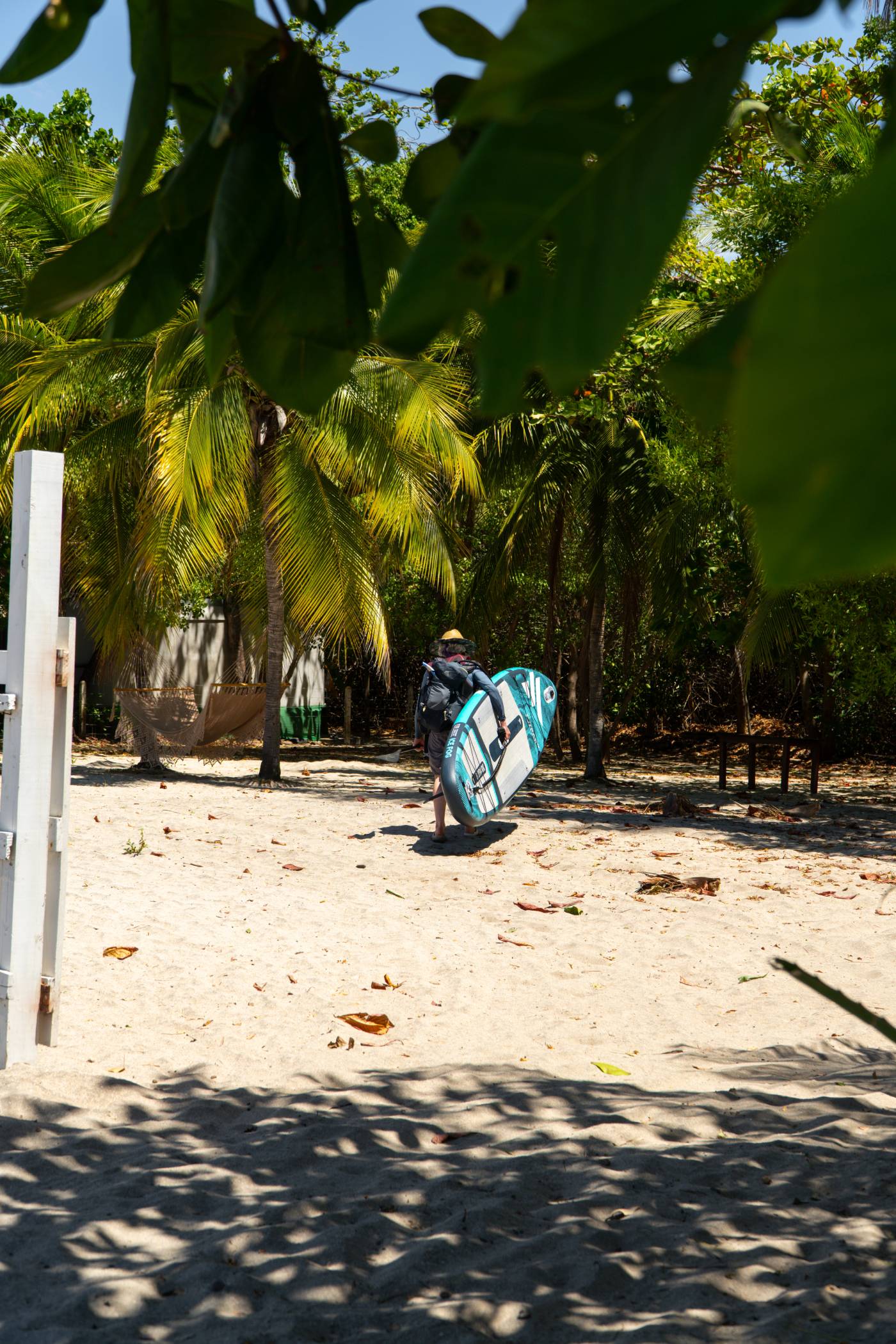
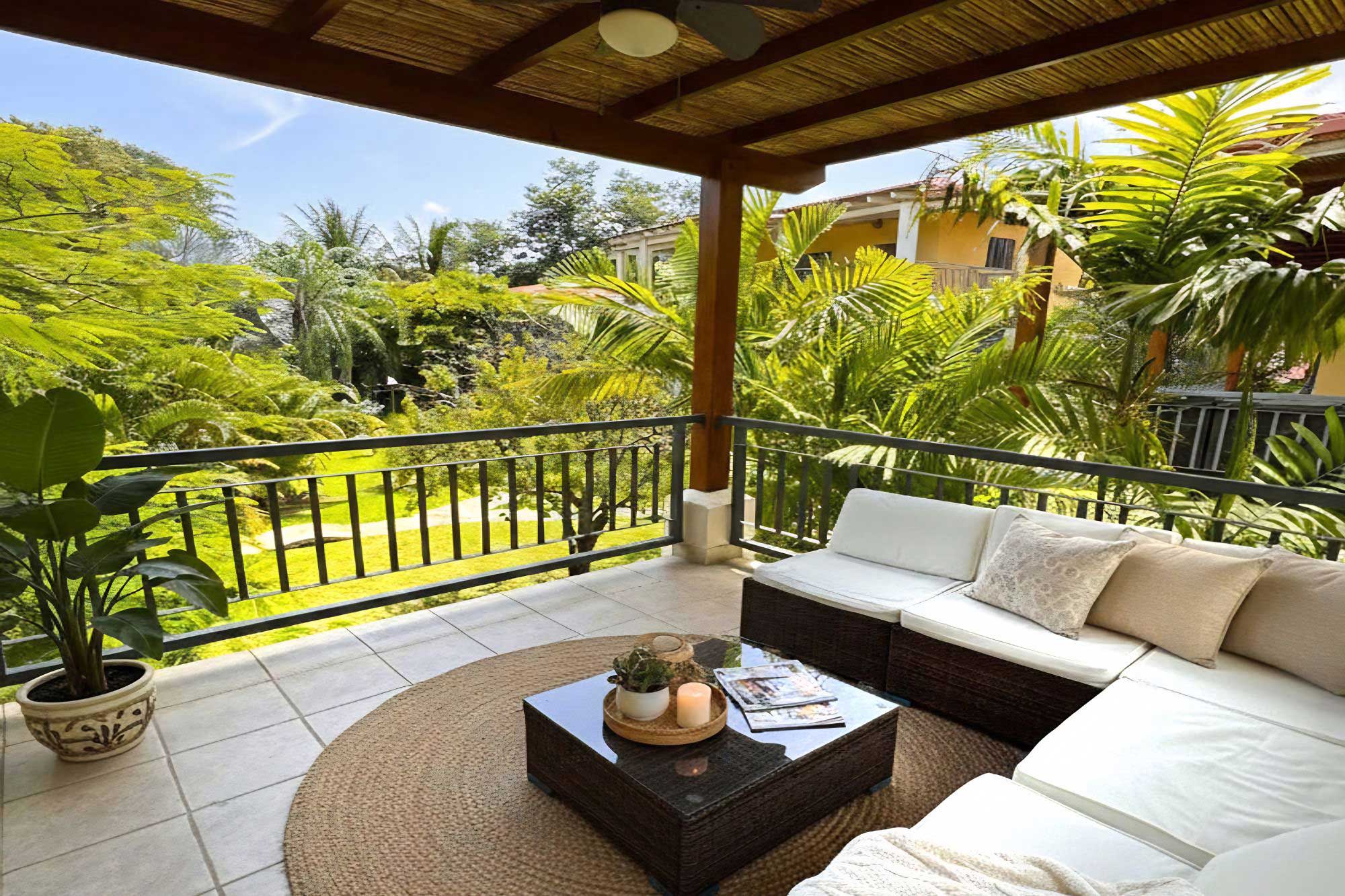
“We spent time in the Canary Islands. Beautiful light, the ocean, decent services. But we didn’t feel like anything had really changed. In Costa Rica, though, it’s as if everything slows down. The kids leave school and head to the beach, and I work with an ocean view. You get to know people by name. It’s a different way to breathe.”
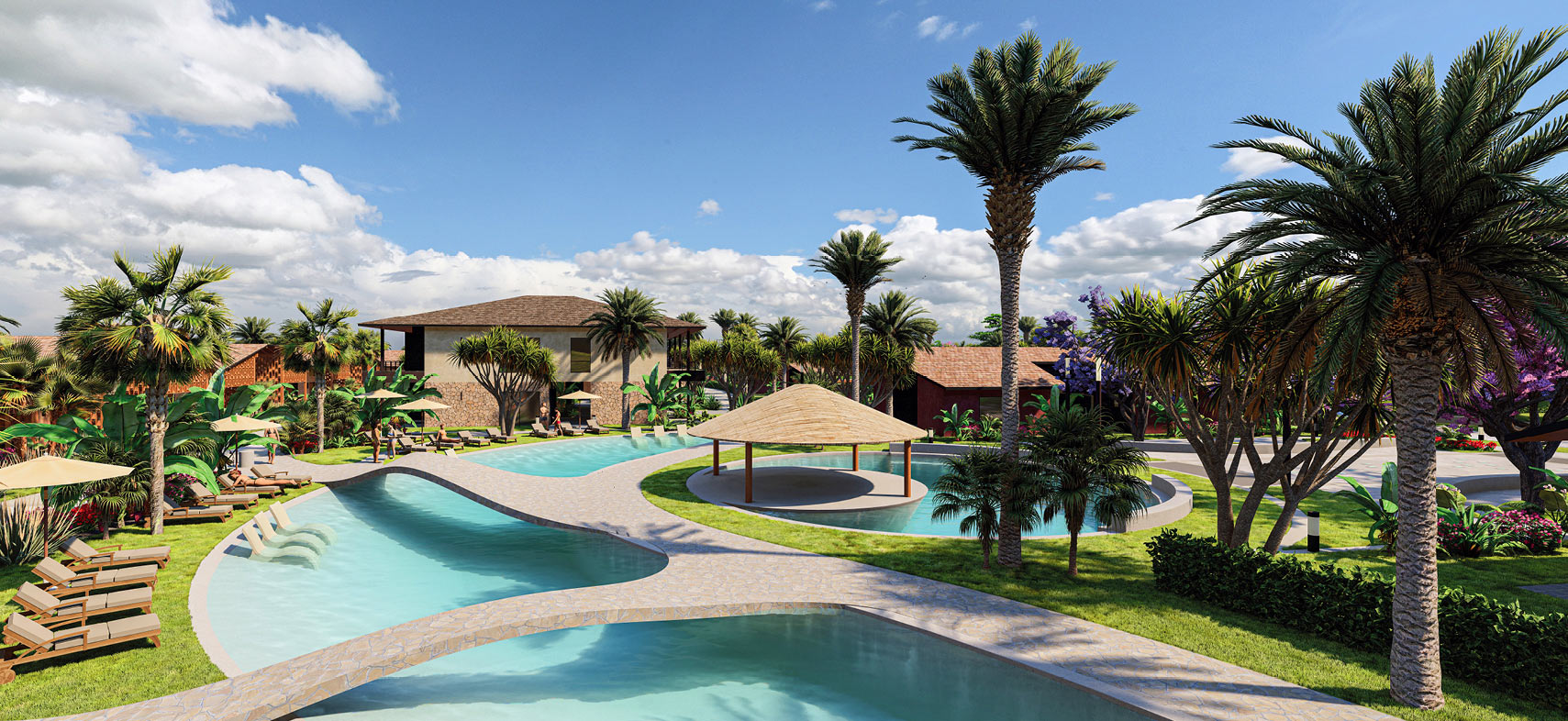
There’s a common thread in the stories collected by Flor de Pacifico: people who choose Costa Rica don’t do it just for the climate or the taxes. They do it because they want to start over. They want to feel part of something. They want to live, not just survive.
Climate: Varied, Authentic, Full of Life
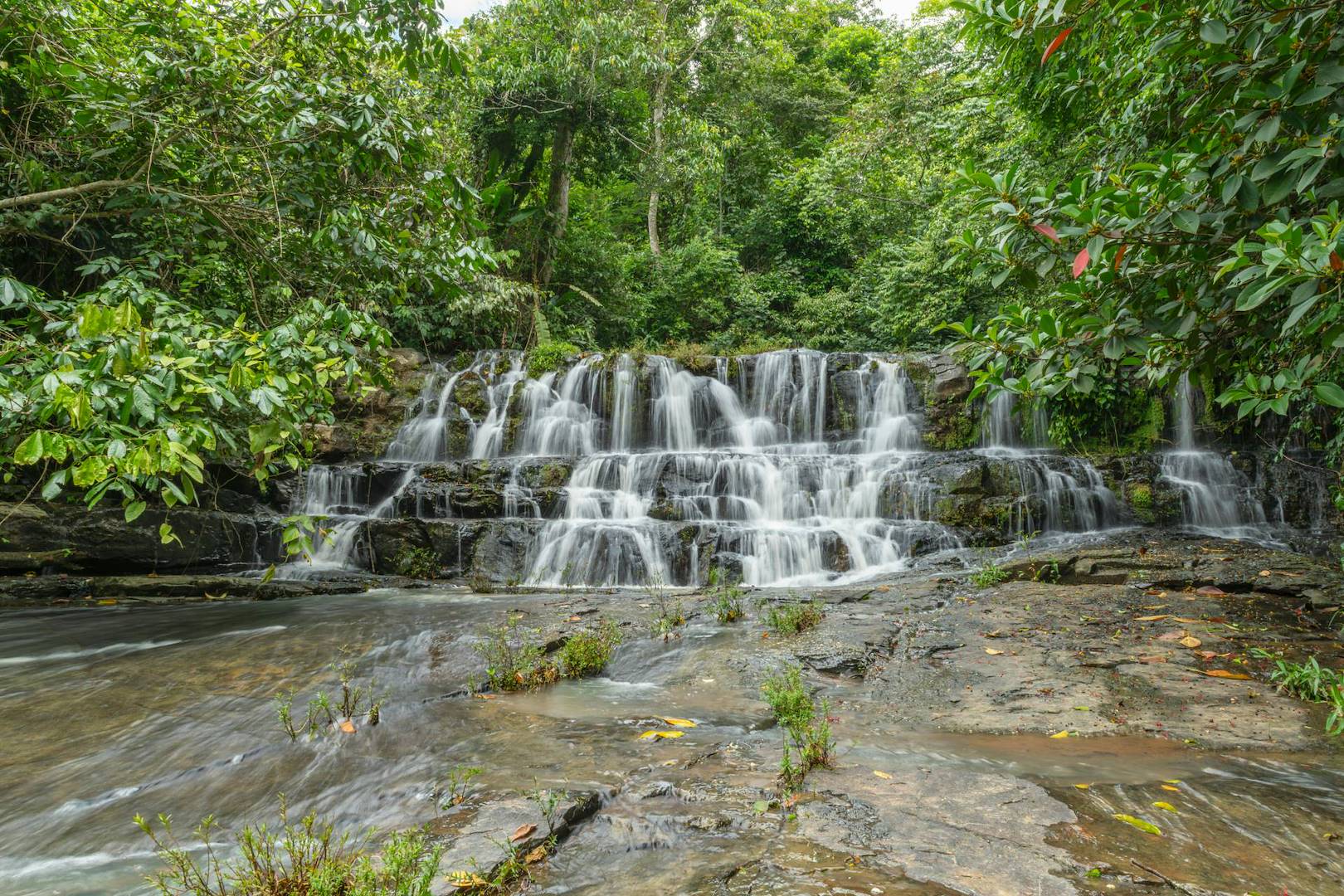
The Canary Islands offer pleasant temperatures and volcanic landscapes, but many clients describe a certain monotony in the climate and scenery. Costa Rica is different, with a tropical climate that offers microclimates for every preference: those who enjoy cooler weather can find a retreat inland, while those who prefer the heat can live near the coast.
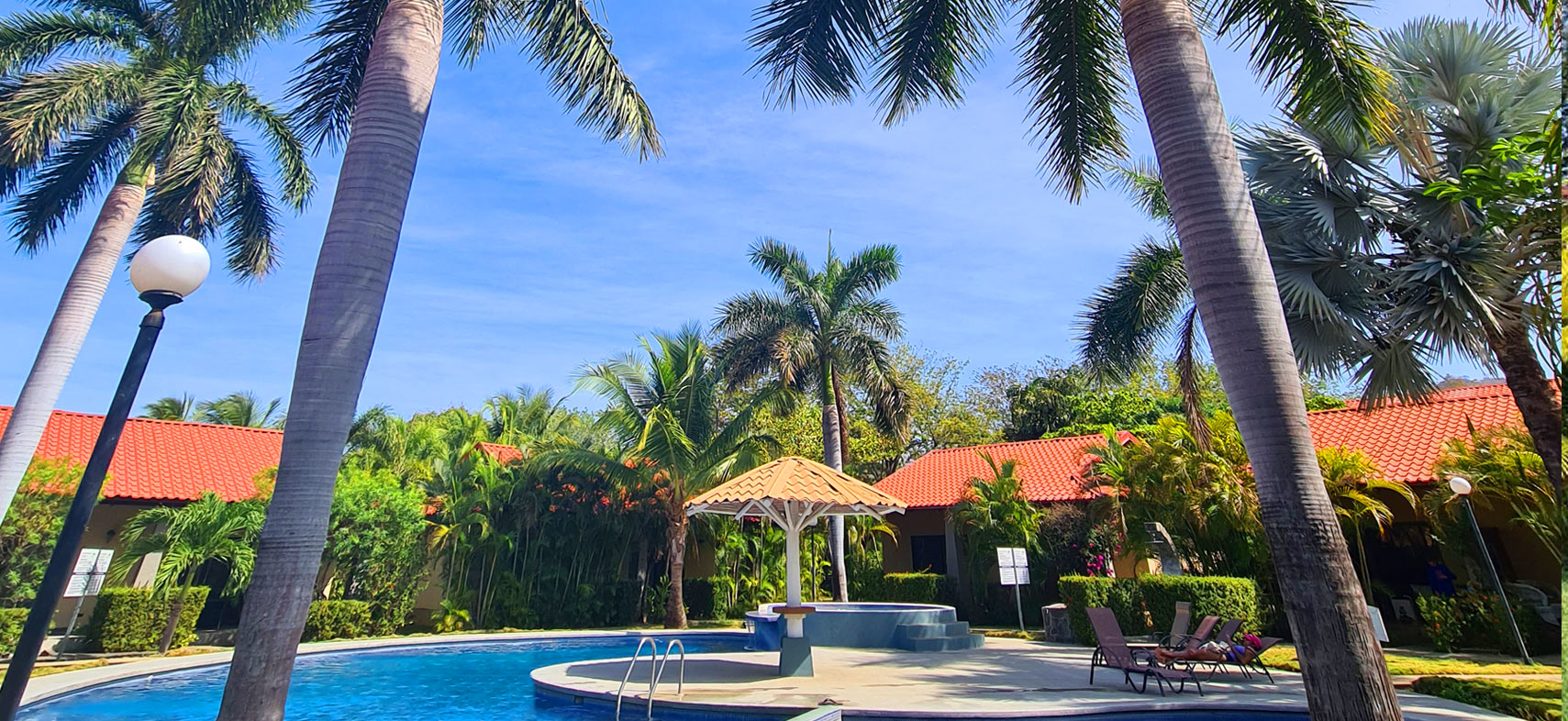
“It rains here, and then the sun comes back. Nature is alive. It changes with you,” says Davide, a resident of one of the Flor de Pacifico villages.
Healthcare: The Reality, Not the Ideal
It’s true that the Canary Islands are part of the European healthcare system. But anyone who has tried to access local care knows that waitlists can be long and services often offer limited personalization. The system is efficient, but not always flexible. Costa Rica, on the other hand, may surprise you. Its public healthcare system is among the best in Central America, and private care meets international standards.
“We were honest with ourselves,” says Silvia, a retired doctor. “Public healthcare in Costa Rica works well, but things don’t move especially quickly. We chose a hybrid approach: we use the public system for routine appointments and private care when we need faster service. The costs? Much more affordable than in Europe.”
Safety: Don’t Just Look at the Numbers
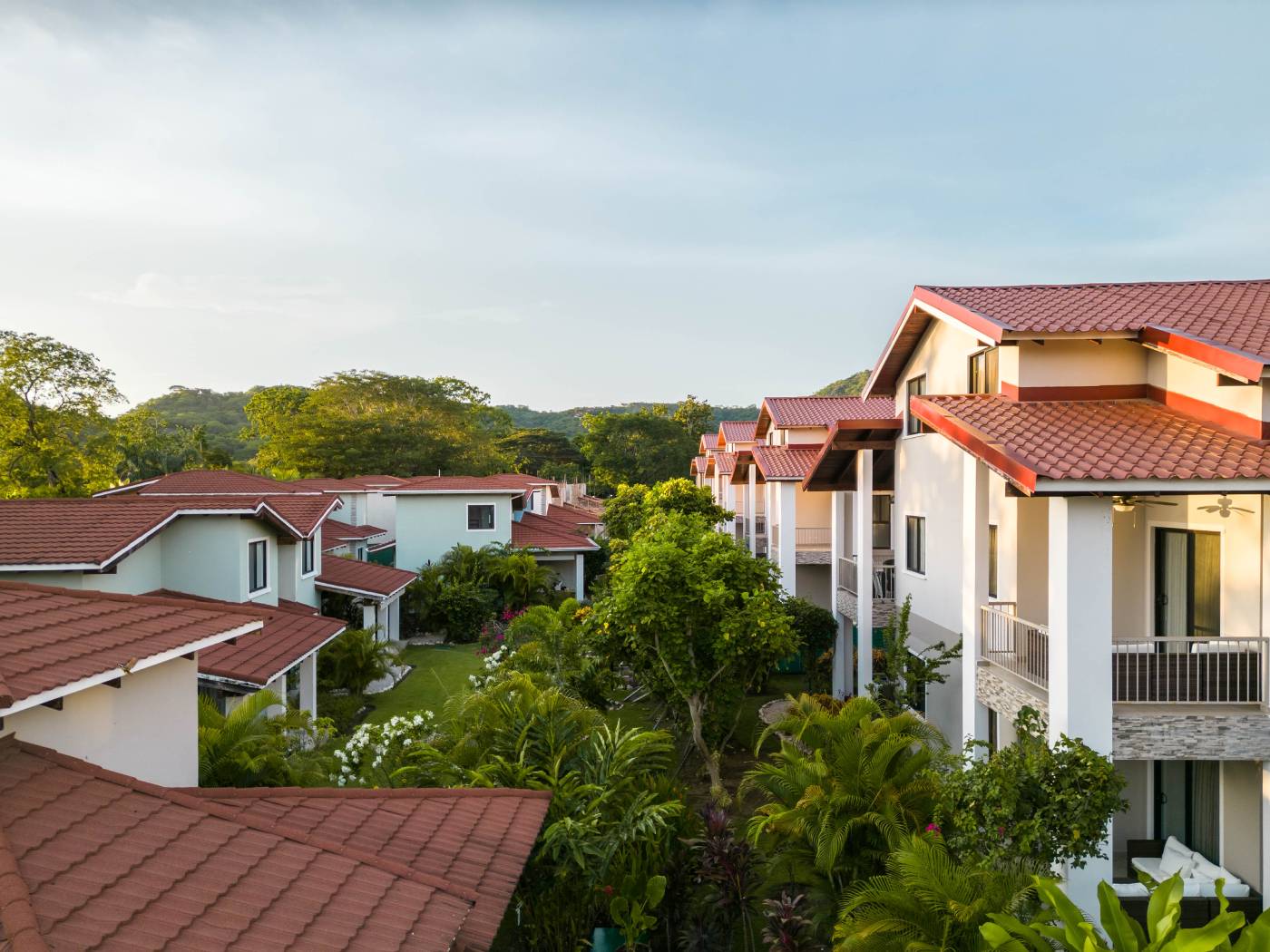
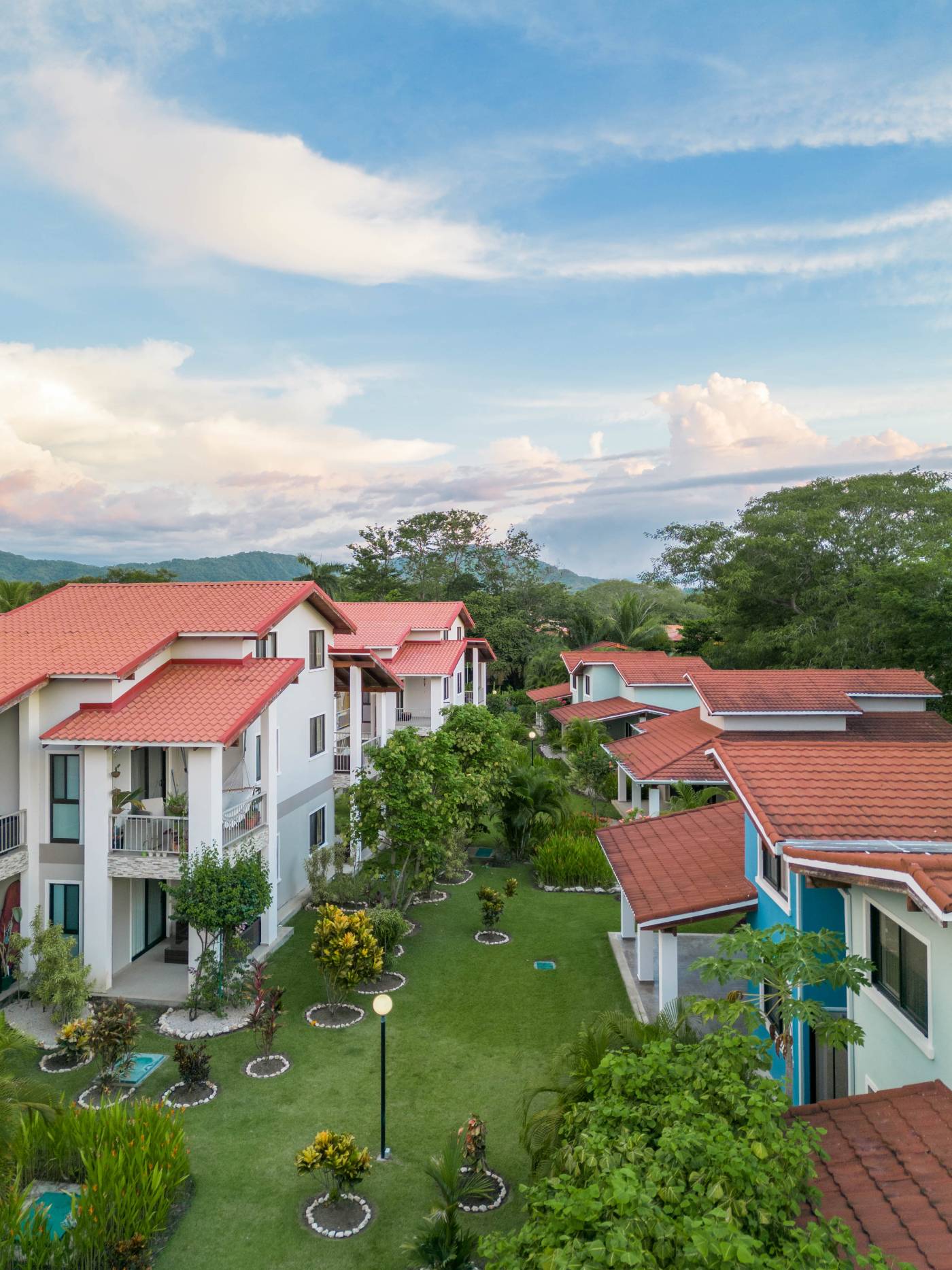
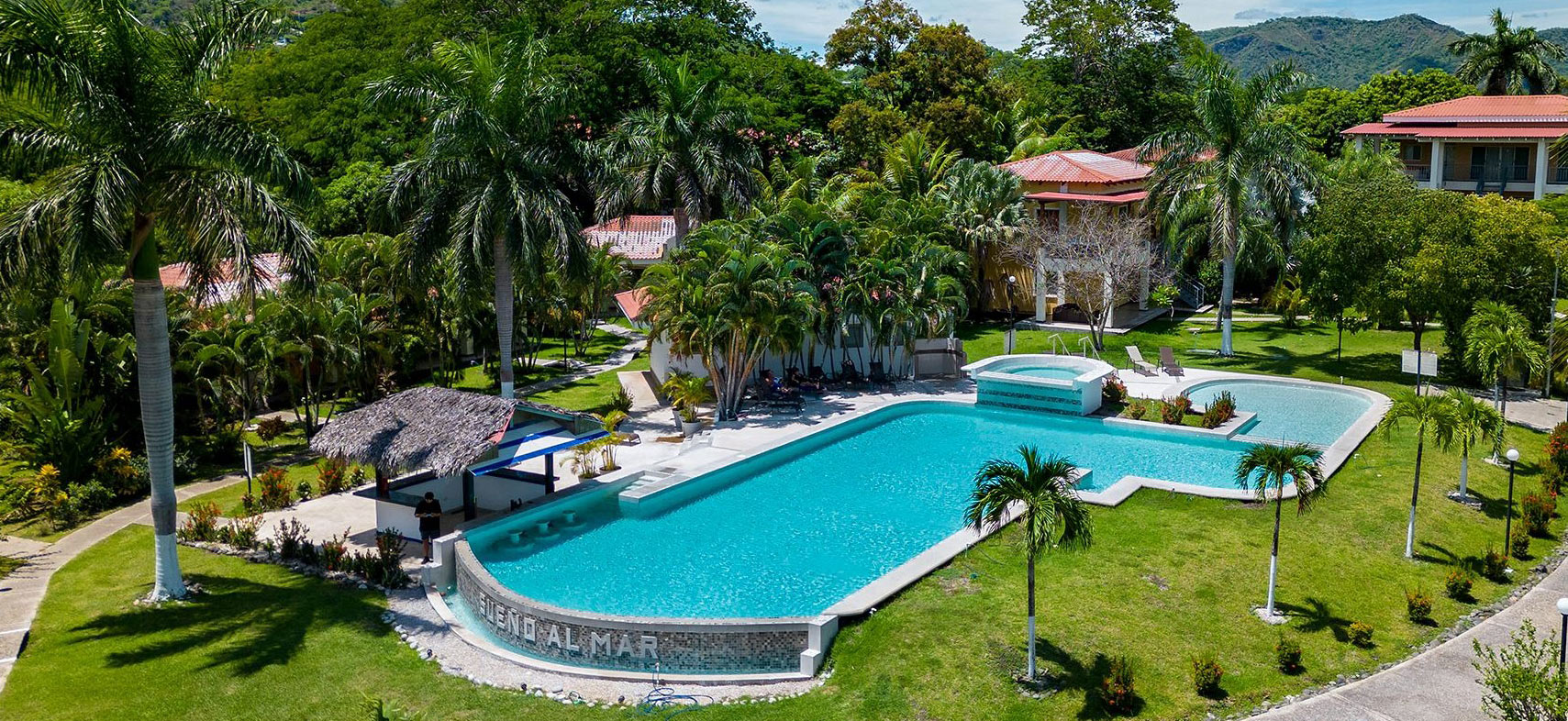
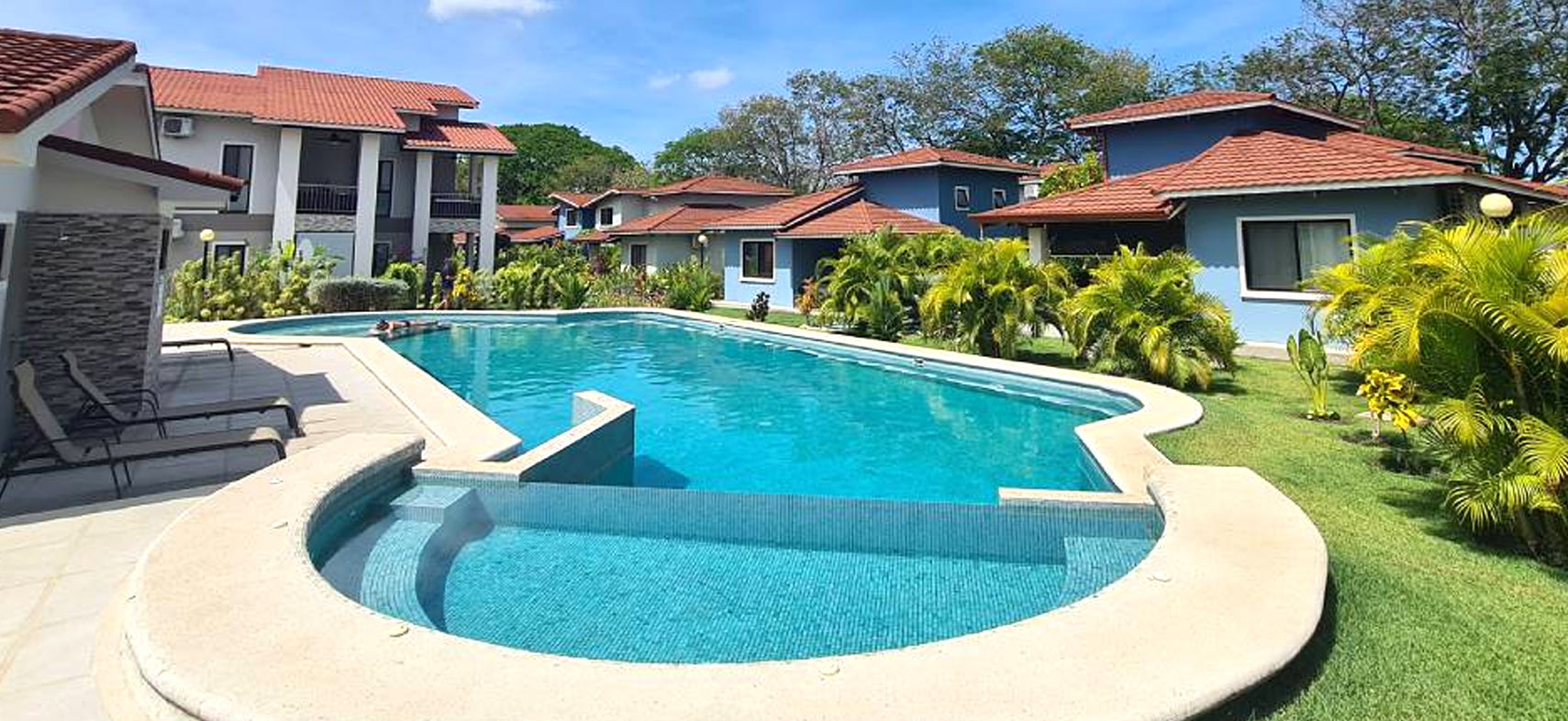
No country is the same everywhere. Residents of the Flor de Pacifico villages in the Guanacaste region talk about the peace of everyday life, children playing outdoors, and doors often left open. “It’s different in some parts of San José. But we feel at ease here,” says Mario, a retiree from Emilia-Romagna. Costa Rica has made deliberate choices that can’t be measured by statistics alone: no military, investment in culture and health, a focus on social cohesion, and a sense of genuine safety in many areas.
Infrastructure: Building, Not Just Using
The Canary Islands benefit from well-developed infrastructure that has been built up over time, thanks in part to European funding. But this stability comes with a certain operational rigidity: little room for innovation and a real estate market that is already saturated.
“There was nothing left to create. You could only adapt,” says Nicola, who instead chose to invest in Costa Rica. “Here, you’re part of a transformation. You can take part in it. For example, we contributed to a green project for our village: solar energy and rainwater collection.” Costa Rica is in a period of expansion. Public and private investment is transforming the country’s most strategic areas, especially in the Guanacaste region, home to the Flor de Pacifico villages.
Real Estate Investment: There’s Still Room to Grow
Most of the people we’ve met aren’t big investors. They’re families, retirees, and young professionals who have decided to put down roots somewhere with plenty of potential.
“We rented out our home in Italy, and the rent pays the mortgage here,” explain Marco and Laura. The numbers speak for themselves: at the Flor de Pacifico villages, property values can rise by as much as 10% per year. Tourism is steady, the climate is favorable year-round, and homes are in demand. The Canary Islands, by contrast, have stable prices but modest appreciation. Foreign buyers have been purchasing properties there for years, making it increasingly difficult to find good investment opportunities.
The First Step? Listen to the Stories of Those Who Chose
No one is saying the Canary Islands are a bad choice. But after visiting, many people felt that they weren’t the change they were looking for. “It felt too much like Europe. And we really wanted to start over,” many say.
Discover the real stories of people who changed their lives.
Every Saturday at 5:00 p.m., at Villa dello Spino in Modena, you can meet people who have already made the leap. They’ll share their experiences, answer your questions, and show you photos, numbers, and the steps they took. Then we’ll enjoy dinner together, Emilia-Romagna style. Book your complimentary meeting at Villa dello Spino. Fill out the form, and a member of our staff will call you back.
Flor de Pacifico: Where the Future Truly Begins.