







A journey through flavors and colors: discover traditional Costa Rican cuisine
Costa Rica is not only a natural paradise but also a culinary treasure. Costa Rican cuisine is simple yet rich in authentic flavors, distinguished by the skillful use of fresh ingredients, many of which come straight from the country’s fertile, lush lands. Amid orchids, exotic birds, and tropical plants, dishes emerge that reflect the history and culture of this small Central American country—a place where you can also explore options for real estate investments with guaranteed returns.
To savor authentic Costa Rican dishes, there’s no better place than the sodas, the local diners. Here, in a warm, rustic atmosphere, you can enjoy the most authentic recipes at affordable prices, perhaps while planning a tour to discover where to go to the beach in Costa Rica or considering the best areas for eco-friendly villa sales. Seated around large wooden tables, you’ll feel part of the community, just like the Ticos, the affectionate nickname for Costa Ricans.
Must-Try Dishes in Costa Rica
Every Costa Rican dish is a journey through flavors, reflecting rich culinary traditions that combine Indigenous, Spanish, and Afro-Caribbean influences. From breakfast to dessert, Costa Rican dishes tell stories of local ingredients, ancestral cooking methods, and the Ticos’ passion for their cuisine. Let’s explore some of the must-try specialties of this fascinating country.
Meat and Seafood:
- Gallo Pinto: Considered Costa Rica’s national dish, Gallo Pinto is an iconic breakfast made with rice and black beans mixed together and seasoned with cilantro, onion, and Lizano sauce. Often served with scrambled eggs, tortillas, and fried plantains, this dish is a perfect blend of Indigenous and European traditions—a must-try culinary experience at any soda (local restaurant).
- Ceviche: Fresh and flavorful, Ceviche is a quintessential Costa Rican dish made with raw fish marinated in lime juice, cilantro, onion, and chili peppers. It’s a light, refreshing appetizer, ideal for hot days at the beach. In Costa Rica, ceviche is often made with tilapia, cod, or shrimp and served with crackers or patacones (fried plantains).
- Casado: This hearty plate is a perfect marriage of flavors and textures. Made with meat or fish, rice, beans, salad, and fried plantains, Casado is a complete meal that reflects the variety of Costa Rican cuisine. Vegetarian versions are also available, replacing the meat with fresh vegetables.
- Pork Tamale: Costa Rican tamales, wrapped in banana leaves, are a festive dish especially popular during the Christmas season. Made with corn dough and filled with pork, chicken, or black beans, tamales are a symbol of the country’s rich pre-Columbian heritage.
- Vigorón: This traditional dish, often served as street food, combines boiled cassava with raw cabbage, fried pork rind, and lime juice. Served on banana leaves, Vigorón is a unique culinary experience that delivers an explosion of contrasting flavors and textures.
- Rondón: Originally from Costa Rica’s Caribbean coast, Rondón is a rich, aromatic stew that reflects the country’s Afro-Caribbean influences. Made with coconut milk, fish or meat, green bananas, cassava, and breadfruit, this dish is a perfect example of how Costa Rican cuisine has embraced the diverse cultures that have shaped the country.
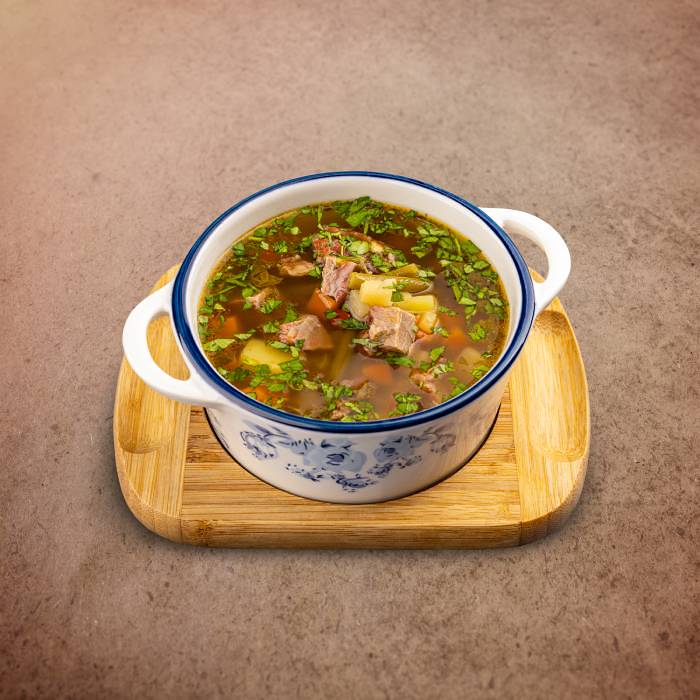
Soups:
- Sopa de Mondongo: Sopa de Mondongo is a hearty soup made with tripe, potatoes, green plantains, and cassava, slowly cooked to bring out the ingredients’ deep, rich flavors. This traditional dish is especially popular in rural areas, where it’s a true local specialty.
- Sopa Negra: Made with black beans, onion, cilantro, and celery, Sopa Negra is a light yet flavorful soup, often served as a meal on its own for a simple dinner. This soup reflects the simplicity and goodness of Costa Rican cuisine, highlighting local ingredients and traditional cooking techniques.
- Olla de Carne: Olla de Carne is a rich, hearty traditional soup made with beef and a variety of exotic vegetables, such as cassava, chayote, and green plantains. This dish is the perfect comfort food for discovering the authentic flavors of Costa Rica, especially on cooler days.
- Pejibaye Cream Soup: Pejibaye, or peach palm, is a fruit with a unique, slightly sweet flavor, used to make this thick, rich soup. Blended with chicken broth, butter, and cream, pejibaye becomes an elegant starter that celebrates native ingredients and ancient pre-Columbian culinary traditions.
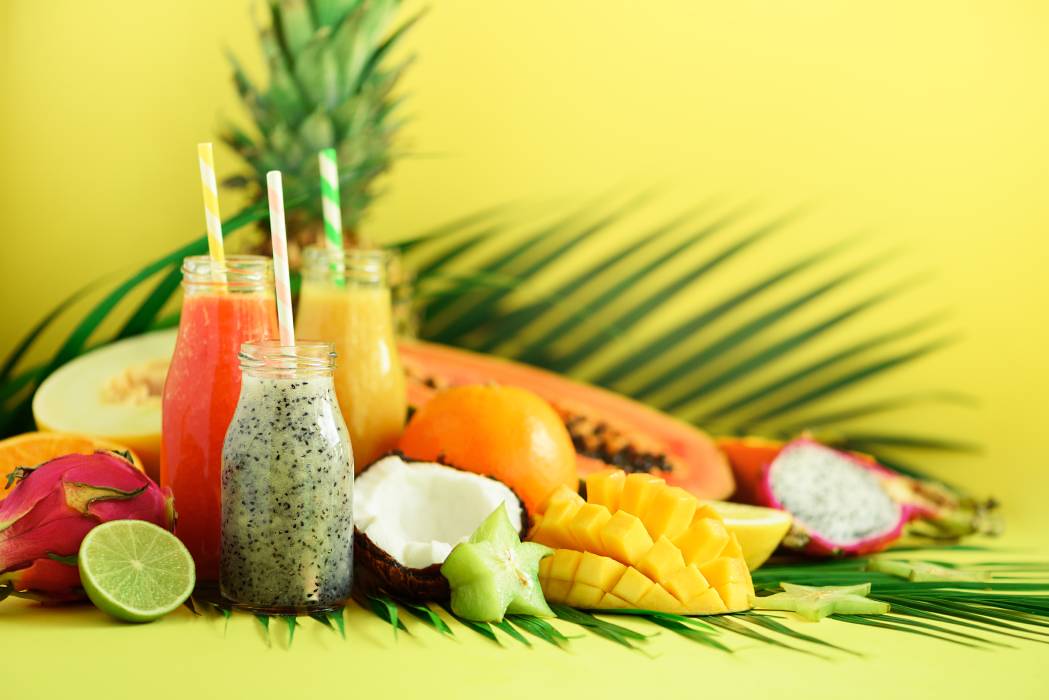
Fruit and Side Dishes:
- Yuca Frita: Cassava, a staple ingredient in Costa Rican cuisine, is often fried to make a crispy, flavorful side dish, similar to french fries but with a more complex, slightly sweet flavor. It’s a popular choice, perfect alongside grilled meats or other traditional dishes.
- Patacones: These crispy rounds of fried green plantain are a classic Costa Rican snack, served with guacamole, black bean dip, or pico de gallo. Patacones are a staple at every soda, loved for their simplicity and versatility.
- Escabeche: Escabeche is a common side dish at Costa Rican sodas, made with vegetables marinated in vinegar, bay leaves, oregano, and other spices. Common vegetables include carrots, cauliflower, and onions, which add a tangy, aromatic flavor to main dishes.
- Picadillo: Picadillo is a versatile dish that can be made with a variety of chopped ingredients, such as potatoes, chayote, green beans, or green papaya, often mixed with ground meat. It’s usually served as a side dish or alongside Casado, offering an explosion of flavors in every bite.
Drinks and Desserts:
- Pipa Fria: Drinking a Pipa Fria—fresh coconut water straight from a young green coconut—is a must for anyone visiting Costa Rica’s beaches. This refreshing tropical drink is perfect for beating the heat and immersing yourself in Costa Rica’s exotic atmosphere.
- Fresco de Frutas: Finish your meal with a Fresco de Frutas, a fresh fruit smoothie featuring Costa Rica’s delicious tropical fruits, such as pineapple, banana, papaya, and passion fruit. This refreshing drink is a healthy way to appreciate the country’s extraordinary biodiversity.
- Café Negro: Costa Rican coffee is renowned around the world for its quality and sustainability. Prepared using traditional methods that bring out the beans’ rich, deep flavors, Café Negro is a daily ritual for Ticos and a must-try experience for visitors.
- Ayote Flan: Ayote, a squash native to Costa Rica, is the key ingredient in this sweet, creamy flan. Made with milk, sugar, and vanilla, Ayote Flan is the perfect dessert to end a traditional meal, offering a touch of authentic, wholesome sweetness.
Would you like to learn more about Costa Rica or get information about real estate investment opportunities in the country? Fill out this form and a member of our sales team will contact you.